
Certain things should be done before the end of the exam, and the number one of utmost importance is revision. After preparing for exams, there comes the revision phase. But as the world is undergoing drastic changes, GCSE revision has also changed over the past decade. The days are gone when students were totally relying on textbooks, notes and cramming sessions. Now the GCSE revision with the advancement of technology is taking a 3360-degree turn. Digital and visual learning tools, especially videos and revision apps, have become significantly important for effective GCSE preparation.
All the Professional instructors, Parents and learners look for smart strategies, digital and visual learning tools are most effective for GCSE revision, proving to be more helpful, engaging and accessible. This guide explores how these tools are more effective and engaging, how they work and how students can use them to make their preparation more effective and strategic.
Jump to Section
Understanding Digital and Visual Learning
Digital learning integrates the use of technology such as apps, online platforms and visuals to support education. The type of learning which focuses on images, diagrams, and animation rather than text alone is called visual learning. The integration of both learning methods creates the most powerful and effective revision for GCSE. Scholarly articles elaborate that learners retain more information when the learning process is quite interactive, visually appealing and can be broken into manageable bites.
This is the point where digital learning tools have gained importance across the UK.
Limitations of the Traditional Revision Method:
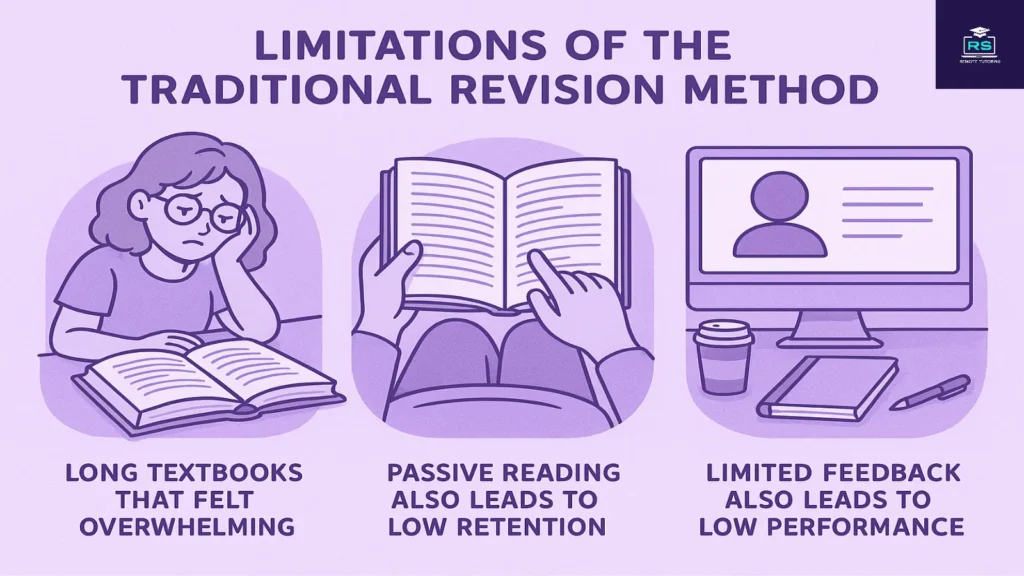
Before getting into the importance of digital tools and techniques, let us first discover what the key reasons students are facing while revising with traditional methods are. The key limitations of the traditional approaches include
- Long textbooks that felt overwhelming
- Passive reading also leads to low retention
- Limited feedback also leads to low performance
Using the traditional approach, revision becomes stressful and boring. GCSE students are already facing exam pressure, time limitations and performance expectations. Digital tools help to address these challenges by making learning more personalised, effective, and engaging, and obviously flexible.
The power of Video-Based learning in GCSE Revision:
Making the Subjects Easiest to Tackle
Subjects like maths, Physics, Chemistry often encompass complex ideas which are difficult to grasp. Digital learning makes it feasible to learn difficult concepts easily. Explained through visuals, these help in
- Visuals demonstrations
- Real-life engaging examples
- Animation and Diagram
Instead of thoroughly re-reading the one complex topic, learners can learn and revise the topic through actions, making understanding faster and clearer.
Beneficial for Auditory Learners
There are different types of learners; some learn through cramming, some through visual objects, while others learn through listening. Visuals are also helpful for the students who are more comfortable with auditory learning based Learning is a most important tool designed for such types of learners. The learning support
- Auditory learners through explanations which are clear.
- Multi-sensory learning, which improves memory retention
This inclusivity makes video learning especially effective for mixed-ability classrooms and independent revision.
Encouraging Self-Paced Learning
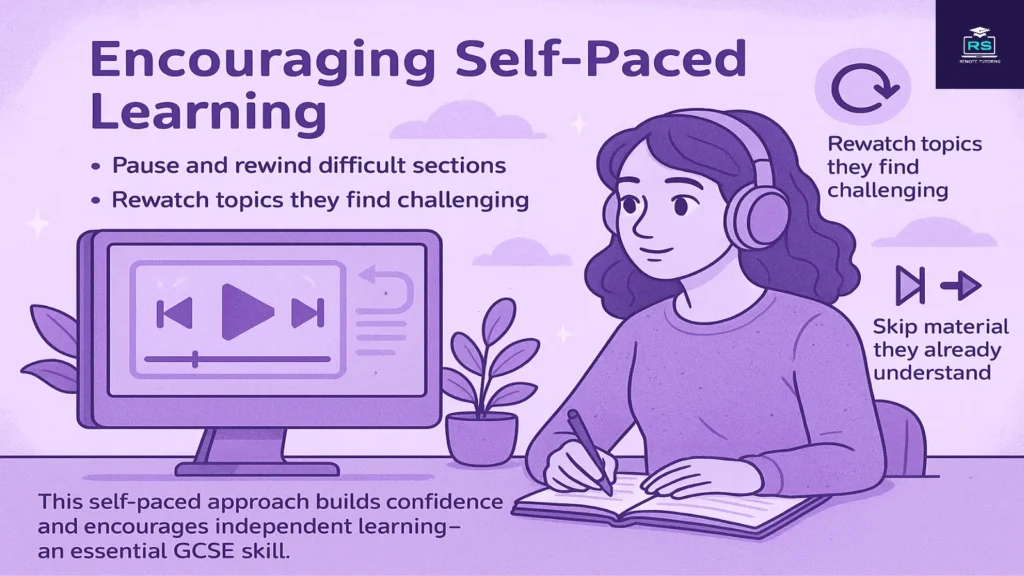
One major advantage of revision videos is flexibility. Students can:
Pause and rewind difficult sections
Rewatch topics they find challenging
Skip material they already understand
This self-paced approach builds confidence and encourages independent learning—an essential GCSE skill.
Revision Apps: Turning GCSE Study into Smart Practice
While videos help explain concepts, revision apps reinforce learning through practice and feedback. Together, they form the backbone of modern GCSE revision.
1. Active Learning Through Practice
Revision apps move students from passive learning to active engagement by offering:
- Quizzes and mini-tests
- Exam-style questions
- Immediate feedback
- Progress tracking
Active recall is scientifically proven to strengthen memory, making apps a vital digital learning tool for GCSE revision.
2. Personalised Learning Paths
Many GCSE revision apps adapt to a student’s performance. If a learner struggles with a topic, the app:
- Repeats similar questions
- Suggests revision videos
- Highlights weak areas
This personalised approach ensures time is spent where it matters most.
3. Motivation Through Gamification
One of the biggest barriers to revision is a lack of motivation. Apps overcome this by using:
- Streaks and rewards
- Badges and levels
- Timed challenges
By turning revision into a game-like experience, digital tools make GCSE preparation less stressful and more enjoyable.
How Digital Tools Improve GCSE Exam Performance

The effectiveness of digital learning tools for GCSE revision lies in how they align with proven learning science.
Key Benefits Include:
- Improved retention through visual memory
- Better understanding via explanations and demonstrations
- Increased consistency with daily app-based practice
- Reduced exam anxiety through familiarity with exam-style questions
- Greater independence and confidence
Students who regularly use digital and visual learning tools often report feeling more prepared and less overwhelmed before exams.
Supporting GCSE English, Maths, and Science with Digital Learning

GCSE Maths
- Video walkthroughs for problem-solving
- Apps for instant marking and error correction
- Visual representations of formulas and graphs
GCSE Science
- Animated explanations of processes (e.g., photosynthesis, electricity)
- Simulations for experiments
- Visual summaries of key topics
GCSE English
- Video analysis of texts and poems
- Visual mind maps for themes and characters.
- Apps for vocabulary, grammar, and exam practice
Across all subjects, digital learning tools for GCSE revision help bridge the gap between understanding and application.
Accessibility and Inclusivity in Digital Learning
Another major advantage of digital tools is accessibility. Students can revise:
- Anytime, anywhere
- On phones, tablets, or laptops
- At their own speed
For students with learning difficulties, anxiety, or attention challenges, visual and interactive content is often far more effective than traditional methods.
Digital learning also supports students who miss school or need extra reinforcement outside the classroom.
The Role of Parents and Teachers
Parents and teachers play a crucial role in guiding students toward effective use of digital tools.
They can:
- Encourage structured revision schedules
- Combine digital tools with past papers.
- Monitor progress using the app report.
- Balance screen time with rest
When used correctly, digital learning tools for GCSE revision enhance not replace, quality teaching and disciplined study habits.
Avoiding Common Mistakes of Digital Revision
While digital tools are powerful, they must be used wisely.
Students should avoid:
- Watching videos passively without note-taking
- Jumping between apps without focus
- Replacing practice papers entirely
The most successful GCSE students use digital tools strategically, combining them with active revision techniques like exam practice and self-testing.
The Future of GCSE Revision
As education continues to evolve, digital and visual learning will play an even greater role in GCSE success. Advances in AI, adaptive learning, and interactive content will make revision more personalised and efficient than ever.
Schools and exam boards are already embracing technology, making digital literacy an essential skill for modern learners.
For today’s students, mastering digital learning tools for GCSE revision is not just helpful, it’s essential.
Final Thoughts
GCSE revision no longer has to be stressful, boring, or overwhelming. Digital and visual learning tools, especially videos and apps offer a smarter, more effective way to prepare for exams.
By improving understanding, boosting motivation, and supporting personalised learning, digital learning for GCSE revision empowers students to take control of their studies and achieve their academic goals with confidence.
When used thoughtfully, these tools don’t just improve grades, they transform the entire learning experience.

Raja specializes in Physics and Maths, with over 5 years of experience. He offers KS2, KS3, and GCSE Science and Maths lessons. He graduated from one of the top universities in the UK.