

How it works

From first message to first lesson

Four steps, and nothing is paid until after you've met the tutor. Tell us the level, the subject and what's going wrong; we pick a tutor and set up a free 30-minute trial; lessons start; you get told how it's going.

Most families are booked in within a day of getting in touch. We usually reply within minutes, and WhatsApp is the fastest way to reach us.

No card details, no contract, no obligation to book a second lesson.

  1. You tell us what's wrong Level, subject, the specific problem, and when the learner is free. About 30 seconds
  2. We pick a tutor Matched by hand on subject, level, exam board and availability. One name, not a list. Usually within hours
  3. You take the free trial Thirty minutes with that tutor, live. You decide afterwards whether to carry on. Free, no card details
  4. Lessons start, and you hear how they go Weekly one-to-one sessions at £30, with feedback after each one. Ongoing
Google 4.9 10 Google reviews Google reviews Bark profile Trustindex RS Remote Tutoring is a UK-based sole trader business.

Getting started

How do you get started?

Fill in the enquiry form with the level, subject and what's going wrong. We suggest one tutor we think fits. You take a free 30-minute trial with them. If it works, lessons start; if it doesn't, you owe us nothing and we can look again.

Parent booking a free trial lesson for online tutoring Step 1

Tell us what's going wrong

The form takes about thirty seconds: the year group, the subject, what's actually the problem, and when the learner is free. The more specific you are, the better the match, "struggling with Maths" is harder to work with than "fine until algebra, then lost".

No card details are taken at this stage, or at any point before the trial.
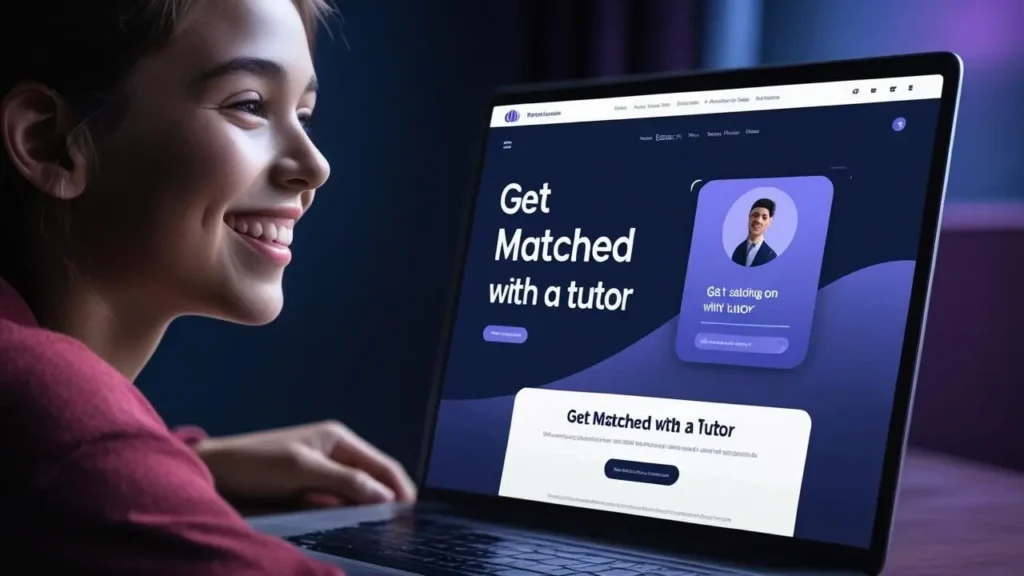
Being matched with the right online tutor Step 2

We put forward one tutor

A person reads your enquiry and picks someone whose subject knowledge, level and teaching style suit the learner, then checks their availability against yours. It takes longer than a search filter, which is why the first match usually works.

You get one name and a reason for it, not a wall of profiles to compare on star ratings.

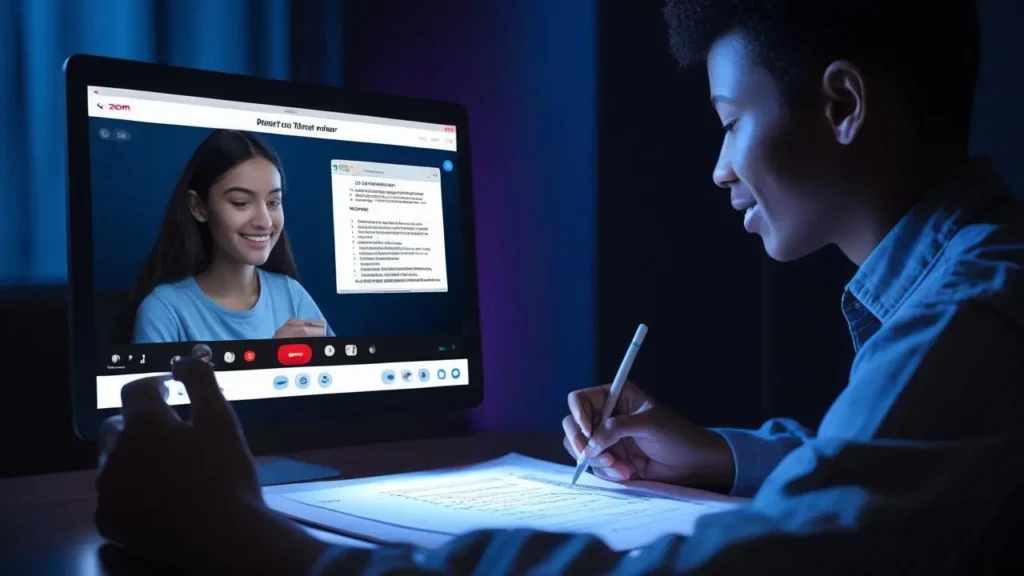
Student in a free 30-minute online trial lesson Step 3

Take the free 30-minute trial

Live, one-to-one, on Zoom. The tutor works out where the gaps actually are and the student gets a feel for whether they can talk to this person. Thirty minutes is enough to tell.

Afterwards you decide. There's no obligation to book, and nothing to cancel if you don't.

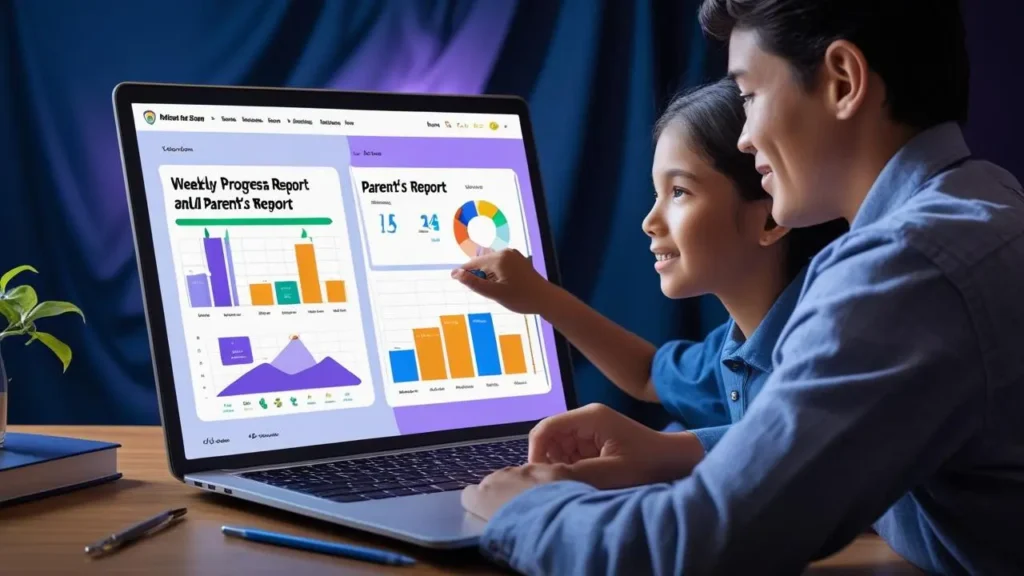
Tracking tutoring progress with regular parent updates Step 4

Lessons start and you hear how they go

Sessions run weekly at a time you've agreed, shaped around the student's specification and the gaps the tutor found. After each one you're told what was covered, what's improving and what still needs work.

If the plan needs changing, it changes. If the tutor turns out to be the wrong fit, say so and we'll rematch at no cost.

Inside a lesson

What actually happens in an online lesson?

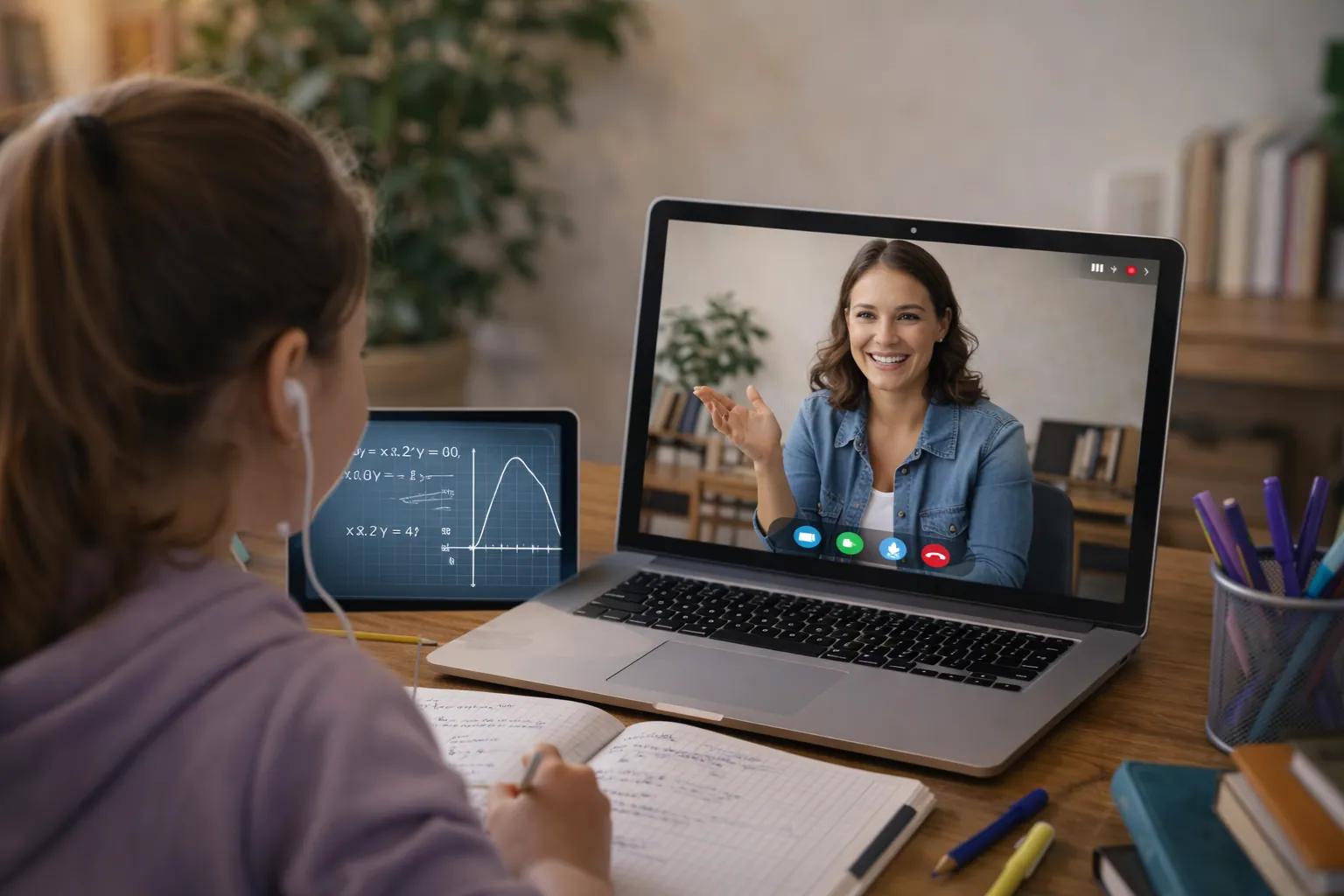
A lesson runs live on Zoom with a digital whiteboard and shared documents. The student works through problems while the tutor watches, gets corrected in the moment, and finishes with a specific next step rather than a vague instruction to revise.

An hour of watching someone else explain things is not tutoring. The student has to be doing the work while somebody qualified watches them do it. That's the part that can't be replaced by a revision video, and it's the reason one-to-one is worth paying for.

A typical 60 minutes

  1. Quick recap and check of last week's work
  2. One clear goal agreed for the session
  3. A worked example, explained step by step
  4. Guided questions done together
  5. An independent attempt, to see what actually stuck
  6. Mistakes corrected, with the reason they happened
  7. A specific next step or practice task
Online tutoring session with a student in the UK

Lessons use Zoom, digital whiteboards, shared documents, screen sharing and past-paper questions. Recordings can be arranged on request, subject to safeguarding, privacy and consent.

Before the first lesson

What do you need to get set up?

A laptop, tablet or desktop with a webcam, a normal home internet connection, and somewhere reasonably quiet. Zoom is free and the whiteboard runs in the browser. There is nothing to buy and nothing to install beyond Zoom itself.

A device with a screen

A laptop or desktop is best because there's more room to write and read. Tablets work well too. Phones will connect, but a GCSE Maths question on a phone screen is a fight nobody needs.

Ordinary broadband

If video calls already work in your house, they'll work for this. No special speed is required. If the connection drops mid-lesson, the tutor waits and the time is made up.

Somewhere quiet-ish

A kitchen table is fine. Headphones help more than a perfect room does, especially for students who are shy about being overheard trying and getting things wrong.

Paper, pen and the school stuff

Students still work things out on paper and hold it up. Have the exercise book, textbook or the topic list from school nearby, so the tutor can work from what the class is actually doing.

If you're not sure whether your setup will cope, say so when you enquire and we'll check it during the free trial. That's partly what the trial is for.

The evidence

Does online tutoring actually work?

The Education Endowment Foundation, which reviews UK education research, puts one-to-one tuition at around four additional months of progress for secondary-age pupils. Its review also found that studies using digital technology showed broadly similar effects to in-person tutoring.

+4 months of additional progress, on average, from one-to-one tuition at secondary level, according to the EEF's review of over 100 studies.
Similar effects from tutoring delivered using digital technology compared with in person, in the studies the EEF reviewed.
Double the effect from programmes using experienced, trained teachers rather than volunteers or classroom assistants.

What the evidence doesn't say

Averages are not promises. The same EEF review found effects in maths were markedly lower than in literacy, and that gains vary a great deal between individual pupils. Anyone guaranteeing your child a grade from a headline figure is overselling it.

The review is also clear that tutoring works best as a supplement to school teaching rather than a replacement for it. That matches how we run lessons: tied to the student's own specification and the topics their class is covering, not a parallel course.

What that means for how we teach

  • lessons follow the school's exam board and course, not a generic syllabus
  • regular weekly sessions beat occasional cramming
  • the student does the work in the lesson, not just watches
  • subject knowledge alone isn't enough. Explaining clearly matters as much
  • progress gets reviewed and the plan changes when it isn't working

Figures from the Education Endowment Foundation's Teaching and Learning Toolkit entry on one-to-one tuition. The EEF is an independent charity that reviews education research for schools in England; it has no connection to RS Remote Tutoring.

Where parents fit in

Do you need to sit in on lessons?

No. Most students work better without a parent in the room, and teenagers especially will admit to being lost more readily when nobody they know is listening. You'll get told what happened afterwards.

What you'll be told

What was covered, what's improving, what still isn't, and what the student should practise before next time. In plain English, not a progress percentage or a colour-coded chart.

What we'll ask from you

Tell us when something changes: a mock result, a topic list from school, a teacher's comment, a bad week. Tutors adjust faster when they know what's happening at school.

When to raise something

Straight away, rather than three weeks in. If your child dreads the lesson, or the pace is wrong, or the fit just isn't there, message us and we'll deal with it.

For younger students it's worth being nearby for the first lesson or two while the routine settles, then stepping back. Confidence usually shifts before the grade does, and parents tend to notice it first in how their child talks about the subject.

Who we teach

Which levels and subjects does this work for?

KS3, GCSE, A-Level and Functional Skills Level 2, in Maths, English, the Sciences, Computer Science and Religious Studies. The process above is the same whichever one applies; only the content of the lessons changes.

Level Who it's for What lessons focus on
KS3 Years 7–9, ages 11–14 Rebuilding core Maths, English and Science before GCSE pressure starts
GCSE Years 10–11, ages 14–16 Subject knowledge and exam technique, matched to tier and exam board
A-Level Years 12–13, ages 16–18 Advanced content, question style and independent study habits
Functional Skills Level 2 Adults, apprentices and college learners Practical Maths and English built around the specific assessment

Exam boards

AQA
Pearson Edexcel
OCR
WJEC / Eduqas

Don't know which board the school uses? Send the course name or the specification code and we'll identify it before lessons start. For Scottish or Northern Irish qualifications, contact us first so we can confirm coverage.

Timings

How quickly can lessons start?

Fast, if the timetable allows. The slow part is almost never us, it's finding a slot that works around school, clubs and everything else.

Stage Typical timing What's happening
You enquire Reply usually within minutes We read the enquiry and come back with questions if anything's unclear
Tutor matched Usually the same day We check subject, level, board and availability, then put one name forward
Free trial Booked around your schedule 30 minutes, live on Zoom, no payment and no card details
Regular lessons From the following week A fixed weekly slot, with feedback after each session

Exam season is busier and good slots go first. If you're aiming at mocks in January or finals in May, earlier is genuinely better.

Common questions

Questions about how it works

Anything not answered here, message us and we'll tell you straight. We usually reply within minutes.

How does the free trial work?

You tell us the level, subject and problem; we put forward one tutor and arrange a 30-minute live session with them. No card details are taken and there's no obligation to book anything afterwards. It exists so you can judge the tutor before spending money.

How do you decide which tutor to suggest?

A person reads your enquiry and matches on subject, level, exam board, current performance, goals, any learning needs and available times. It's done by hand rather than by search filter, which is why you get one name and a reason rather than a list of profiles.

What happens in the first lesson?

The tutor finds out where the gaps actually are, usually by working through a few questions rather than asking about them. By the end you'll have an idea of what needs attention first and roughly how long it's likely to take.

What equipment do we need?

A laptop, desktop or tablet with a webcam, an ordinary home internet connection and somewhere reasonably quiet. Zoom is free and the whiteboard runs in the browser. Headphones help. Phones work but make written subjects harder than they need to be.

Which platform do lessons run on?

Zoom, with digital whiteboards, shared documents, screen sharing and exam-style questions. Students show their working as they go and get corrected during the lesson rather than in a written report afterwards.

Does a parent need to be in the room?

No, and most students do better without it. You'll be told what was covered and what needs work after each session. For younger learners it's worth being nearby for the first lesson or two while the routine settles.

How long are lessons, and how often?

Sixty minutes, usually once a week at a fixed slot. Some students take two a week before exams. Regular sessions over a period of weeks tend to work better than occasional long ones, which is also what the research on tutoring suggests.

Does online tutoring work as well as in person?

The Education Endowment Foundation's review of one-to-one tuition found that studies using digital technology showed broadly similar effects to in-person tutoring. It also found the format matters less than the tutor's experience and whether the tutoring supplements school teaching rather than replacing it.

What if the tutor isn't the right fit?

Tell us and we'll rematch at no cost. You don't lose lessons, restart anything or pay a fee. Fit matters more in one-to-one teaching than in any other format, and pretending otherwise helps nobody.

How will we know it's working?

You get feedback after each lesson covering what was done, what's improving and what still isn't. Beyond that, watch school assessments and how your child talks about the subject — confidence tends to move before the grade does.

Can lessons be recorded?

Recordings can be arranged on request where appropriate, subject to safeguarding, privacy and consent requirements. Ask when you arrange the tutoring rather than mid-lesson.

How soon can we start?

Usually within a day or two. We normally reply within minutes and match a tutor the same day; the limiting factor is finding a slot that suits the learner's timetable. Exam season books up faster, so earlier is better.

Step one takes 30 seconds

Start with the trial, decide afterwards

Tell us the level, the subject and what's going wrong. We'll put forward a tutor and set up a free 30-minute session. Everything else follows from there.

+44 7377 137585 admin@rsremotetutoring.co.uk Online tutoring across the UK

Enquiries answered 24 hours a day, 7 days a week. We usually reply within minutes, and WhatsApp is the fastest way to reach us.

-->