Preparing for GCSEs is a rite of passage for pupils across the UK. Whether your teen is aiming for top grades or striving to secure a grade 4 pass, the stakes feel high. That pressure often leads families to explore extra support, and in recent years one option has exploded in popularity is online GCSE tutoring after covid-19.
As London parents juggle busy schedules, unpredictable weather and long commutes, the convenience of connecting with an expert tutor from home is hard to ignore. But does studying online really deliver results? This guide demystifies online tutoring, explains how it differs from face‑to‑face sessions and shows you how to leverage it for GCSE success. Along the way you’ll find practical tips, UK‑specific advice and answers to common questions about the benefits, effectiveness and cost of online tuition.
Jump to Section
What Is Online GCSE Tutoring?
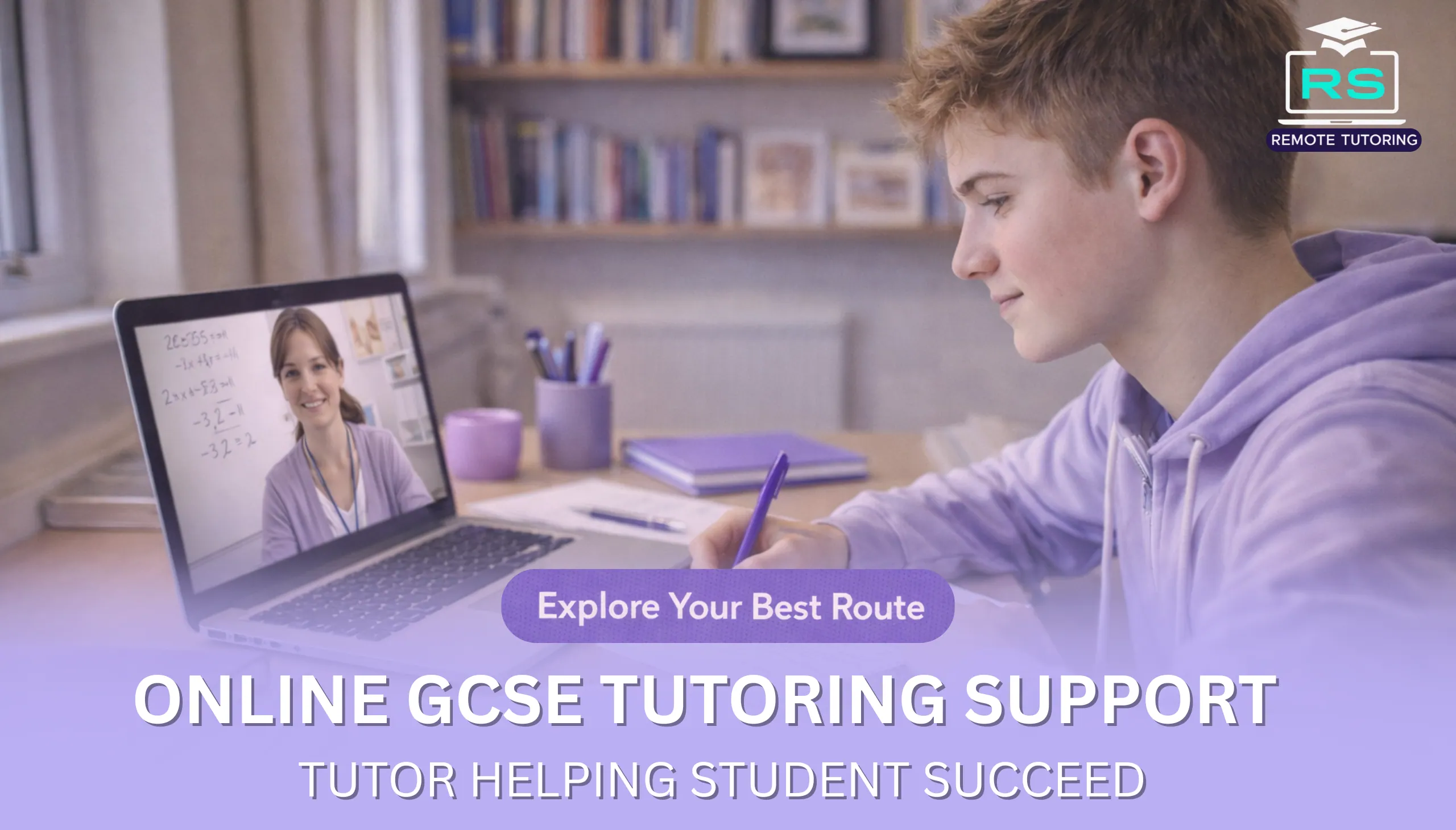
Online tutoring is a one‑to‑one or small‑group educational service delivered over the internet. Instead of travelling to a tutor’s house or inviting someone into your home, lessons take place via video conferencing software, virtual whiteboards and other digital tools. Students and tutors can interact in real time, share files, work through exam questions and build a rapport just like in person. It’s an effective approach to education because students receive personalised support without the need to travel.
At its core, online tutoring combines the expertise of a qualified teacher with the flexibility of technology. The tutor assesses your child’s current understanding, identifies gaps and tailors instruction accordingly. Using screen‑sharing, instant messaging and virtual whiteboards, they can demonstrate methods, correct mistakes and set interactive quizzes. Sessions can be recorded for later review, giving students a valuable revision resource. This approach benefits pupils who struggle to attend in‑person sessions due to anxiety, travel costs or a busy family life.
Why Online Tutoring Is Here to Stay

The COVID‑19 pandemic accelerated the adoption of remote learning, but online GCSE tutoring has remained popular because it solves real‑world problems for families. Platforms now connect students with specialist tutors nationwide and even worldwide. In London, where rush‑hour travel can add hours to your day, the ability to access high‑quality tuition from the sofa is invaluable.
Online tutoring provides all the benefits of face‑to‑face tutoring with greater flexibility and convenience. Sessions fit around school timetables, extracurricular activities and parents’ work schedules. Timeslots are available before, during and after school; sessions can be delivered on desktops, laptops or tablets; and you can swap timeslots or even students at any point without extra fees. This adaptability makes online tuition an attractive option for households juggling busy diaries.
Key Benefits of Online GCSE Tutoring

Flexible Scheduling and Convenience
One of the biggest advantages is the ability to arrange lessons at times that suit you. Online tutoring removes the need to travel to a tutoring centre or host a tutor in your home, saving time and money. Third Space Learning highlights that session lengths and dosage are fully flexible and that tutors can connect with students on desktops, laptops or iPads. For London families contending with train delays, school runs and winter weather, simply logging in from home can be a lifesaver.
Pro tip: build tutoring sessions into your family’s existing rhythm. For example, schedule shorter 45‑minute lessons twice a week on dark winter evenings when your child would otherwise be stuck indoors. This spreads revision throughout the year and reduces last‑minute stress in spring.
Access to High‑Quality Tutors & Specialists
Online tutoring platforms vet their tutors and often employ subject specialists with experience of multiple exam boards. These platforms conduct a rigorous selection process so students can access the best teachers, many with degrees, teaching licences and training in evidence‑based methods.
Because geography is no barrier, students in areas with limited local tuition services can work with experts from across the UK. PupilSmart emphasises that online tutoring offers nationwide or global access to tutors, whereas face‑to‑face lessons are limited to your local area. This is particularly useful if your child is studying a less common subject like classical civilisation or needs a tutor familiar with a specific exam board (AQA, Edexcel or OCR).
Personalised Learning and Targeted Support
Tailored instruction is one of online tutoring’s greatest strengths. Tutors can adjust teaching strategies to your child’s specific learning gaps and misconceptions. In small online groups of three or four students, tutors are able to give personalised attention and adapt their methods to different learning styles. This targeted approach means lessons focus on exactly what your child needs, rather than following a one‑size‑fits‑all curriculum.
Recorded sessions also let students review topics at their own pace. Recorded lessons allow pupils to catch up on missed sessions and revisit material. This builds independent study habits and makes revision more effective because learners can replay explanations until concepts click.
Confidence Boost and Motivation
Many students lose confidence when they struggle with difficult topics. Expert tutors understand exam boards and marking criteria, so they can break down complex questions into manageable steps. Over time this leads to a positive cycle: better understanding increases participation and performance, which boosts motivation and study habits. Tutorful adds that celebrating small wins helps restore self‑esteem and reduces test anxiety.
Online platforms also create a low‑stakes environment. Unlike classroom settings, students can ask questions without fear of judgement, helping them feel comfortable exploring new concepts. Sessions taking place in a familiar home environment reduce the stress of meeting a new tutor in person, particularly for anxious learners.
Progress Monitoring & Exam Readiness
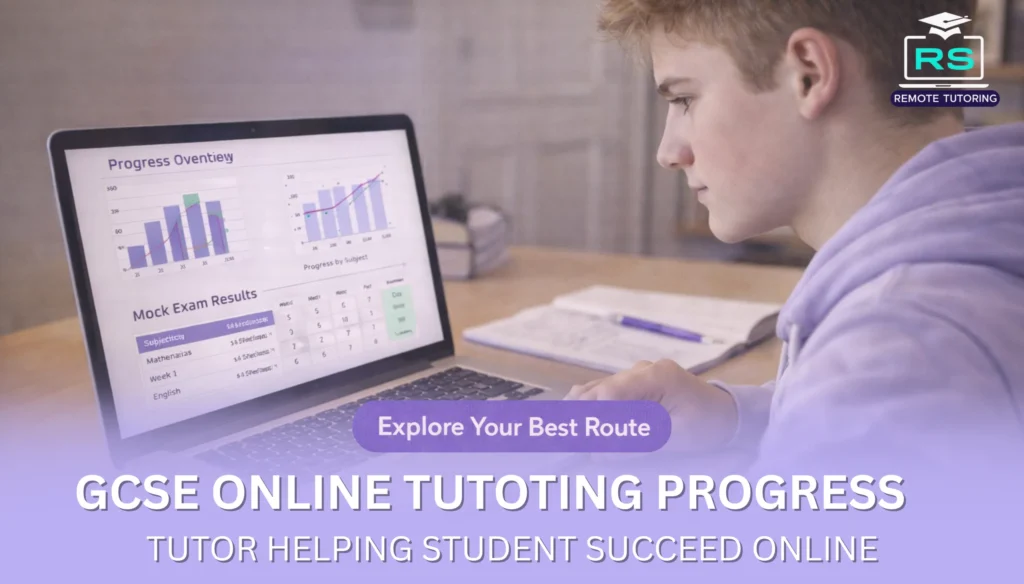
Regular assessment is crucial for GCSE success. Online tutoring services often track student progress and provide detailed reports so that tutors can adjust lessons and parents can see improvements. Combined with targeted exam preparation such as mock exams, feedback, stress‑management strategies and exam format familiarisation, online tutoring helps students address weaknesses and approach exam day confidently.
Another advantage is that tutors can tailor teaching to specific exam boards. 98 % of students surveyed by Tutorful said their tutors impacted exam results. Many online tutors are qualified examiners, so they teach the exact skills needed for AQA, Edexcel or OCR papers and explain how marks are awarded. This insider knowledge is invaluable when aiming for top grades or a secure pass.
Cost‑Effectiveness and Convenience
Online tutoring can be more affordable than face‑to‑face sessions because there are no travel costs and tutors can teach from home. Online platforms have lower running costs, enabling competitive pricing. PupilSmart points out that costs vary but online lessons are often more affordable than in‑person tuition.
In London, where hourly rates for in‑person tutors and transport expenses quickly add up, online tuition provides a budget‑friendly alternative. Explore Learning also reminds parents that sessions fit around family life, meaning you don’t have to sacrifice your own commitments to support your child’s education.
Greater Accessibility & Inclusion
Online tutoring opens doors for students who might otherwise miss out. This approach allows pupils to access support from anywhere with an internet connection and is especially helpful for those dealing with anxiety, financial constraints or limited mobility.
Interactive tools and digital resources create engaging lessons that hold students’ attention. Because sessions are one‑to‑one or small‑group, tutors can adapt pacing for SEN students and those who need more time to process information. The ability to learn in a comfortable home setting also benefits teenagers with social anxiety.
Developing Digital Skills
Online tutoring does more than raise grades, it also builds digital literacy. Using interactive tools, virtual whiteboards and educational software helps students develop important digital skills that are increasingly valuable in higher education and the workplace. By mastering screen‑sharing, file management and collaborative technology, pupils gain confidence that extends beyond exam preparation.
Flexible One‑On‑One or Small Group Sessions
Families can choose the format that suits them. Many platforms offer one‑to‑one or small‑group tuition. One‑to‑one lessons provide intensive individual support, while small groups encourage peer discussion and can reduce costs. Small online groups of three to four students give each learner personalised attention and the opportunity to ask questions without pressure.
Online Tutoring vs Face‑to‑Face: Which Is Best?
Both methods have strengths, and the best option depends on your child’s personality, learning style and circumstances. Key differences of Online and Face to Face tutoring are:
| Feature | Online Tutoring | Face‑to‑Face Tutoring |
| Flexibility | High – lessons can take place anywhere and timeslots are easy to adjust. | Lower – dependent on travel and tutor availability. |
| Access to Specialists | Nationwide or global pool of tutors. | Limited to your local area. |
| Technology & Resources | Digital whiteboards, recorded sessions and interactive tools. | Physical books, face‑to‑face interaction and body language cues. |
| Personal Connection | Can feel less personal; rapport builds virtually. | Stronger rapport and presence; tutors adapt in real time. |
| Cost | Often more affordable due to no travel costs. | Usually higher because of travel time and expenses. |
Face‑to‑face tutoring may suit younger learners who benefit from physical interaction, extra structure and real‑time observation of body language. Online tutoring tends to work well for tech‑savvy and independent learners who thrive on flexibility. Some families combine both: using online sessions for convenience and in‑person sessions for subjects that require hands‑on demonstrations, such as practical science.
Is Online Tutoring as Effective as In‑Person?
Yes, when delivered by trained tutors with the right tools, online tutoring can be as effective as face‑to‑face lessons. PupilSmart’s FAQ emphasises that online lessons can be equally effective and sometimes more convenient. Success depends on using a platform with qualified tutors, clear lesson plans and interactive tools. Look for providers that monitor progress and provide regular feedback.
Is Online Tutoring Cheaper?
Online tuition is often cheaper because you aren’t paying for a tutor’s travel time or overheads such as room hire. However, prices vary depending on the tutor’s qualifications and subject. When comparing packages, consider the number of sessions included, additional resources provided and whether the platform offers recorded lessons or progress reports.
Choosing the Right Online GCSE Tutor
Finding the right tutor is crucial for success. Here’s what to consider:
- Qualifications and subject expertise: Look for tutors with relevant degrees, QTS (Qualified Teacher Status) or specialist training. They should have deep knowledge of the exam board you’re following and current syllabi. It is important for tutors who understand exam boards and marking criteria.
- Experience and track record: Ask how long they’ve been tutoring and what results their students have achieved. Tutorful reports that 98 % of students say their tutor helped improve exam results.
- Teaching style and rapport: Consider whether your child prefers structured lessons or more exploratory learning. A good match builds trust and encourages open communication. Many platforms offer trial sessions, use these to gauge rapport.
- Flexibility and availability: Ensure session times fit your family’s schedule. Some tutors teach evenings and weekends, which can be useful during busy school terms.
- Digital tools and resources: Ask about the platform used (e.g., video conference, interactive whiteboard, assignment uploads). Recorded lessons and homework portals can enhance learning.
- Safeguarding and data security: Reputable companies monitor sessions and record them for safety. Check policies for safeguarding and privacy.
Pro tip: start your search early, ideally at the start of Year 10 or early in Year 11. This gives your child time to build a relationship with their tutor and steadily improve rather than cramming in the months before exams.
UK‑Specific Considerations for Online Tutoring
Busy Schedules and Long Commutes
If you live in London or another UK metropolis, transport can quickly eat into free time. Online tutoring eliminates commute times for both students and tutors, freeing up evenings and weekends. This is especially helpful during the winter months when daylight hours are short and rain makes travel unpleasant.
Seasonal Advice for GCSE Preparation
- Autumn (September to November): Kick‑start tutoring at the beginning of Year 11. Shorter days provide more indoor study time, and establishing a routine early prevents last‑minute panic. Use half‑term in October to review topics covered so far.
- Winter (December to February): Take advantage of cosy evenings to book regular sessions. Be mindful of school holidays and festivities; plan sessions around them but keep revision ticking over. If snow or freezing weather disrupts travel, online tutoring ensures learning continues uninterrupted.
- Spring (March to April): Intensify revision before Easter. Online tutoring can help identify final knowledge gaps and practise exam technique. Longer daylight hours may tempt students outdoors, so schedule sessions before or after activities to maintain balance.
- Summer (May to June): Exams take place in May and June. Focus online sessions on past paper practice, time management and stress reduction. After exams finish, use remaining sessions to prepare for A‑levels or reflect on learning habits.
Leveraging UK Resources
While online tutoring takes place at home, UK cultural institutions can enrich learning. Plan weekend visits to the Science Museum, Natural History Museum or British Library to complement online studies. Many tutors incorporate these resources into assignments, making revision more engaging.
Maximising the Impact of Online Tutoring
To get the most from your investment:
- Set clear goals: Establish target grades and break them into milestones. SMART goals (specific, measurable, achievable, relevant, time‑bound) keep progress on track.
- Create a dedicated study space: A quiet corner with good lighting and minimal distractions improves concentration. During winter, take advantage of natural light to reduce screen fatigue.
- Participate actively: Encourage your child to ask questions, attempt practice tasks and engage in discussions. The interactive tools used in online tutoring thrive on participation.
- Review recorded lessons: Rewatching sessions consolidates learning and helps identify areas to revisit. Keep a revision log to track topics covered.
- Combine tutoring with independent study: Complete homework set by the tutor, use revision websites (like Maths Genie or CorbettMaths) and practise past papers to reinforce new skills.
- Communicate regularly: Maintain dialogue between tutor, student and parents. Discuss progress reports and adjust lesson focus when necessary.
- Look after wellbeing: Balanced meals, regular exercise and sleep are crucial during exam season. Online tutoring’s flexibility makes it easier to schedule sessions without compromising health.
Conclusion
Online GCSE tutoring has evolved into a powerful tool for students across the UK. By combining expert teaching, flexible scheduling and personalised learning, it offers a lifeline for pupils who need extra support, whether they’re striving for top grades or aiming for a solid pass. London families, in particular, benefit from avoiding commutes and accessing a wider pool of tutors than their postcode would normally permit.
Ultimately, the best results come from a partnership between tutor, student and family. Choose an experienced tutor with the right subject expertise and exam board knowledge. Start early, set clear goals and make use of interactive tools, recorded lessons and regular progress reviews. When used thoughtfully, online GCSE tutoring can boost grades, build confidence and prepare your child not just for exams but for a lifetime of independent learning.
Frequently Asked Questions
How can online GCSE tutoring help students in the UK?
Online GCSE tutoring provides flexible, personalised support from qualified tutors anywhere in the country. Sessions fit around school timetables and family commitments, avoiding travel costs and time. Tutors tailor lessons to the student’s needs and can focus on exam board requirements, helping pupils address weak areas and build confidence. Access to nationwide experts means even students in rural areas can work with specialist teachers.
What are the benefits of online tutoring?
Key benefits include flexible scheduling, access to a larger pool of subject specialists, personalised learning plans, recorded lessons for revision, detailed progress monitoring and cost‑effectiveness. Online platforms offer a low‑pressure environment that boosts confidence and engagement. Students also develop digital skills that are useful beyond their GCSEs.
Is it worth getting a tutor for GCSE?
For many students, yes. Tutoring provides targeted support, improves understanding and builds exam technique. In surveys, 98 % of students reported that working with a tutor improved their results. However, tutoring is most effective when combined with the student’s own effort. Choose a tutor who understands the relevant exam board and can tailor lessons to your child’s goals.
What is the primary role of an online tutor in supporting students?
An online tutor assesses a student’s current knowledge, identifies gaps and delivers personalised instruction to address them. They explain difficult concepts, provide practice questions, correct errors and teach exam strategies. A good tutor also motivates the student, builds confidence and monitors progress so the lesson plan can adapt.
How effective is online tutoring?
Studies and practitioner experience show that online tutoring can be highly effective. Students improve by an average of 1.25 grade levels after 12 months of consistent online tutoring, with three in four students increasing by up to three grades. When delivered by trained tutors with appropriate technology, online tuition rivals face‑to‑face lessons.
What are the advantages of online teaching?
Advantages include convenience, flexibility, access to specialist tutors, personalised lessons, interactive digital tools, cost savings and the ability to record sessions for later review. These benefits make online teaching well suited to busy families and students who thrive with technology.
What are the main benefits of tutoring?
Tutoring offers individual attention, targeted instruction, improved confidence, better exam performance and development of study skills such as time management and critical thinking. Tutors can also expose students to challenging material beyond the school curriculum, keeping them engaged and curious.
What skills are gained from tutoring?
Tutoring helps students develop subject knowledge, problem‑solving abilities, exam technique and independent study habits. Working with a tutor also builds communication skills: students learn to articulate questions and receive feedback. Online sessions encourage digital literacy, including using collaborative tools and managing files.
What are the six goals of tutoring?
While goals vary by student, six common aims include:
- Closing knowledge gaps: addressing misunderstandings and filling in missing fundamentals.
- Developing mastery: building deep subject knowledge and analytical skills.
- Improving exam technique: learning how to interpret questions, manage time and maximise marks.
- Boosting confidence: fostering a positive mindset and reducing anxiety.
- Encouraging independent learning: cultivating self‑motivation and study habits beyond tutoring sessions.
- Preparing for the future: developing digital skills and resilience for A‑level study, university or work.
What are the 10 advantages of offline classes?
Although online tutoring has many strengths, traditional in‑person classes still offer important advantages:
- Direct personal connection: human presence builds rapport and trust.
- Physical resources: tutors can use books, manipulatives and lab equipment.
- Non‑verbal cues: teachers observe body language and adjust instantly.
- Fewer technological distractions: lessons aren’t disrupted by technical issues.
- Structured learning environment: students may focus better in a dedicated study centre.
- Hands‑on subjects: practical subjects like art, design technology or experiments require in‑person guidance.
- Group collaboration: in‑person classes encourage peer interaction and teamwork.
- Opportunity for social skills development: learners practise communication and interpersonal skills.
- Immediate feedback: teachers can quickly correct work and adjust pace.
- Clear boundaries: leaving the house for lessons separates study from home life, which some students find motivating.
However, these benefits may be balanced by the greater cost, travel time and limited tutor availability; many families use a blended approach to harness the strengths of both.
Ready to Transform Your Child’s Learning?
If you’re curious whether online GCSE tutoring could be the key to unlocking your child’s potential, consider booking a free consultation. A good tutor will assess your child’s needs and create a plan that fits their schedule and goals.
Want to discuss how our tutors can help your teen excel? Contact us for a friendly chat. Let’s work together to build confidence, boost grades and make exam season less stressful.

Raja specializes in Physics and Maths, with over 5 years of experience. He offers KS2, KS3, and GCSE Science and Maths lessons. He graduated from one of the top universities in the UK.