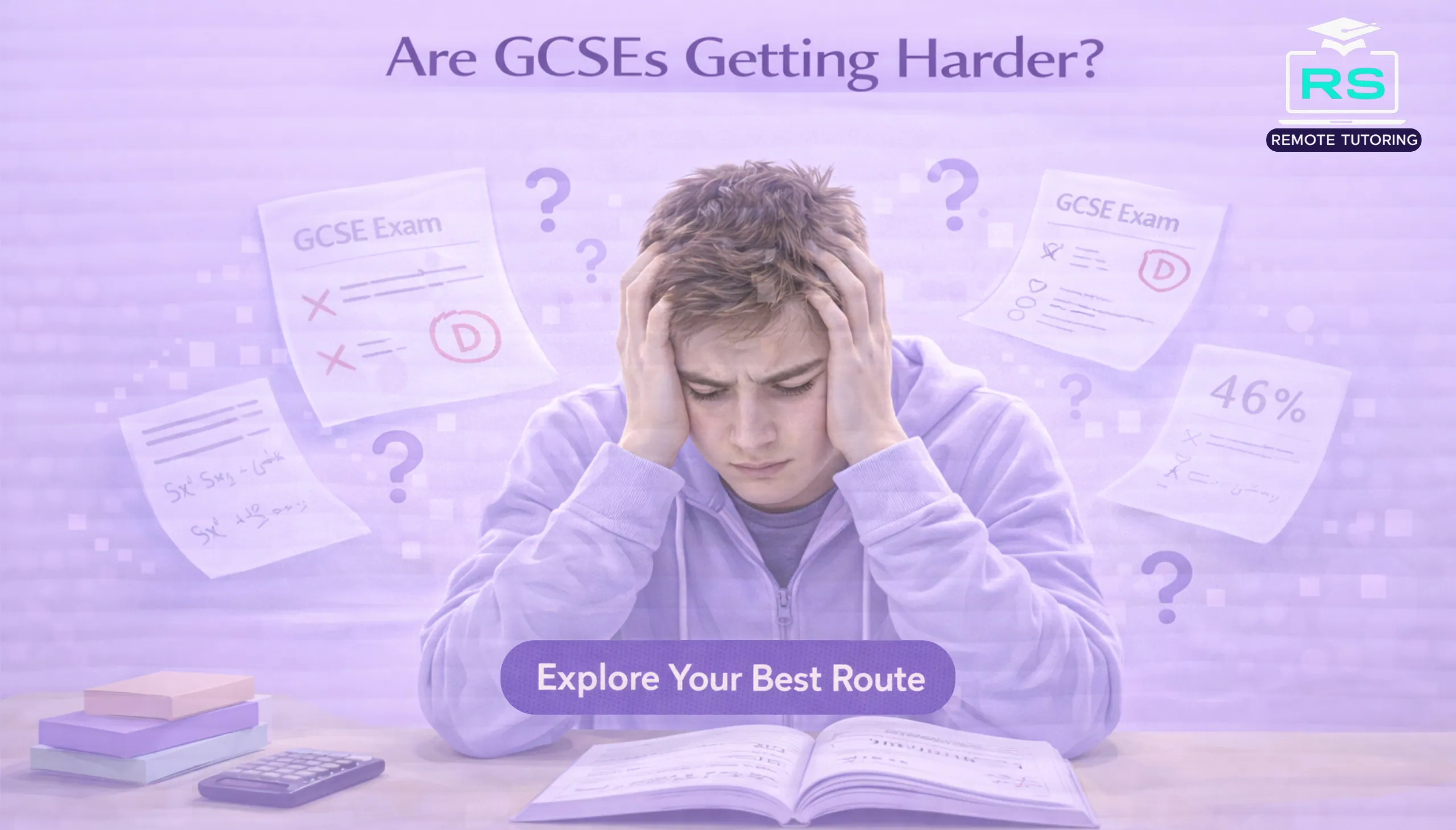
GCSEs are the toughest exams in the UK. Students tie a lot of their expectations, mostly they tie their future by successfully achieving high grades but mostly students fail often hearing the exam is one of the difficult exams and getting a 9 which is a high achieving grade is exceptional.The constantly hearing myths that success and luck both are significantly important in today’s world. Parents supporting their children appearing for GCSEs or itself the students often asked this question: Are GCSEs getting harder than they used to be?
The persistent question, and the grades are highly difficult to achieve. Top marks are rare to achieve,teachers are constantly talking about exam techniques, and students feel overwhelmed, anxious before taking the exams. So the ultimate flux , the cyclical nature, what’s really going on?
The complete guide will explore whether GCSEs are genuinely getting harder or whether they have simply been changed. Additionally, this will also explain what these challenges mean for today’s generation and how the right support can make all the difference.
Jump to Section
Historical Perspective: How GCSEs Evolve over time
In order to fully understand the changing nature of the GCSEs exam it is very important to unleash a brief history encapsulating the evolving nature of GCSEs exams. GCSEs were developed in the late 1980s to replace O level in the UK for a more fair and inclusive exam oriented system. For many years course work played a highly significant role but with time the traditional exam system started getting replaced. In 2015, the UK government introduced major reforms in order to raise standards. The raise standard, the called reforms fundamentally reshaped the GCSEs exam.
The Reforms that Reshape the GCSEs Exam:
The following reforms changed the difficulty level of the GCSEs exams and rebuilt the entire traditional system of the examination.
The Move from A-G To the grading system :
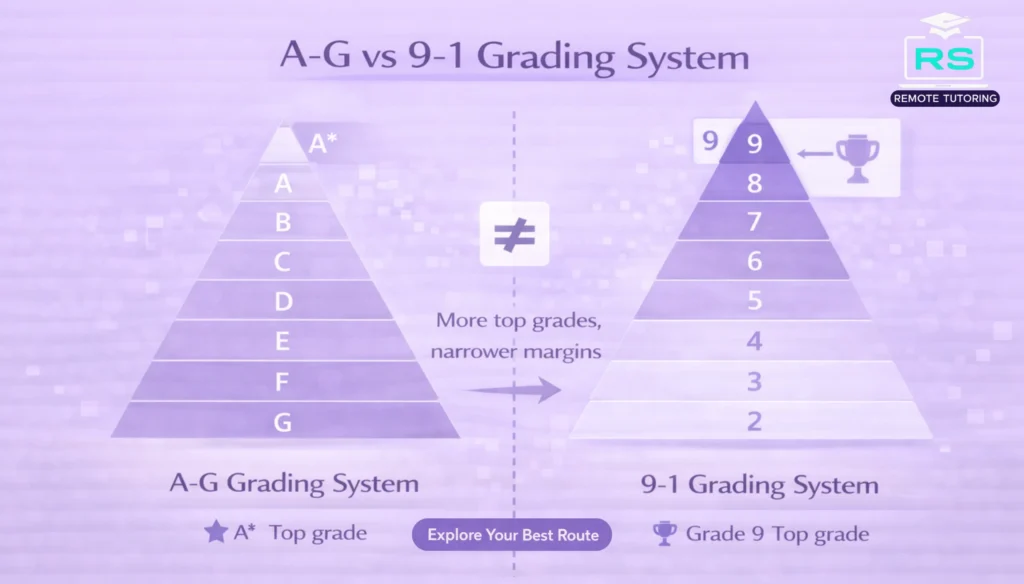
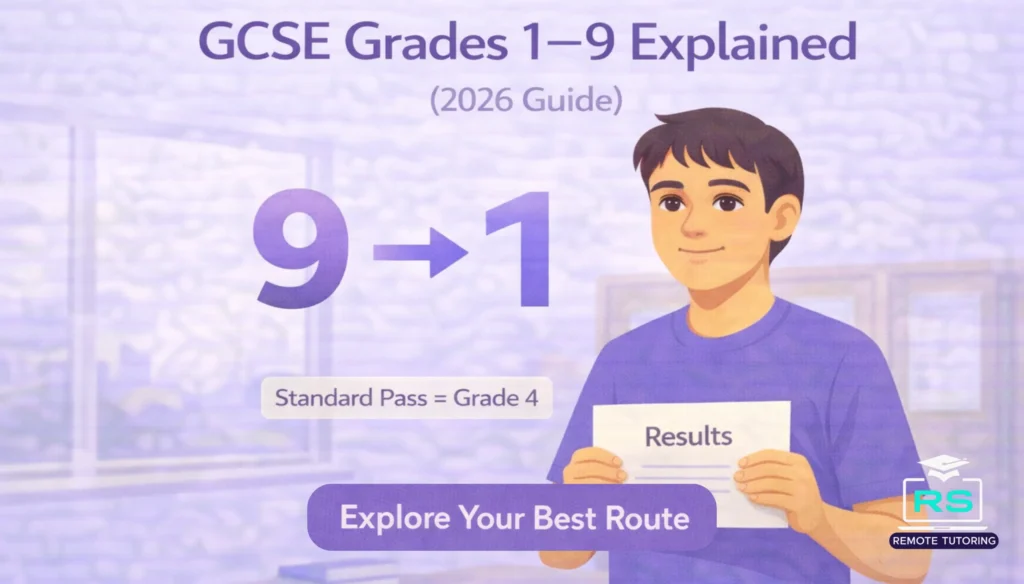
The theoretical shift from rebuilding the grade boundaries work as the significant step for reshaping the entire system. The traditional system mostly depends on the grade from A-G but with the introduction of the boundaries from 9-1 was not just a cosmic change.
- Grade 9 was more harder to achieve than the old A+ grade
- Only the high achieve constitution 3-4% of the entire enrolled students get 9 grade
- Grade 7 slightly aligns with A but demands more strong and better performance.
The grade boundaries increase the pressure in competition to achieve the top position which becomes the significant evidence to the most persistent argument: are GCSEs getting harder?
Reduction of the Coursework:
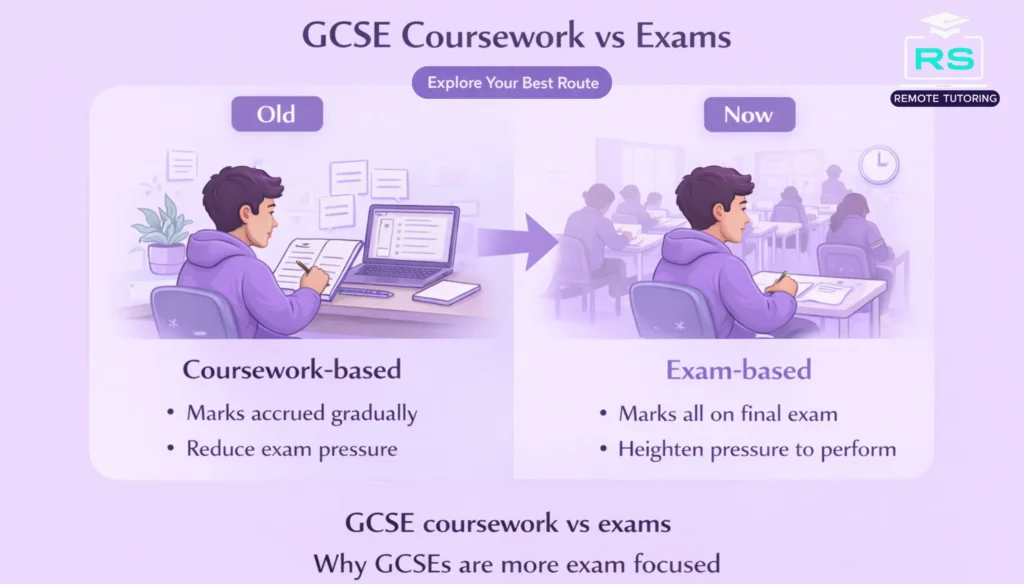
The significant decrease in the course work marks the dramatic shift in the GCSE history.
- Many subjects are 100% exam based
- Students are totally assessed on the performance of their final exam because final exam weightage has been increased
- Skills such as motivation, consistency, memorisation matter more than ever.
Mostly with the previous inclusion towards the course work helped students;
- Secure marks easily
- Demonstrates understanding over time
- Offset exam anxiety
Shift from Content focus:
Modern GCSEs examination demands highly and deep analytical and critical thinking. Exam questions are mostly composed which only demands analytical reasoning and critical interpretation. Exam questions increasingly require students to ;
- Analyse unfamiliar scenarios
- Apply knowledge only in new content
- Interpret data, source or extracts independently.
The following examples will clearly explain the mentioned points
- For example; GCSE maths includes multi step problem solving
- Similarly, English literature demands critical analysis, instead of demanding highly memorized essays.
Are GCSEs Exam Getting Harder
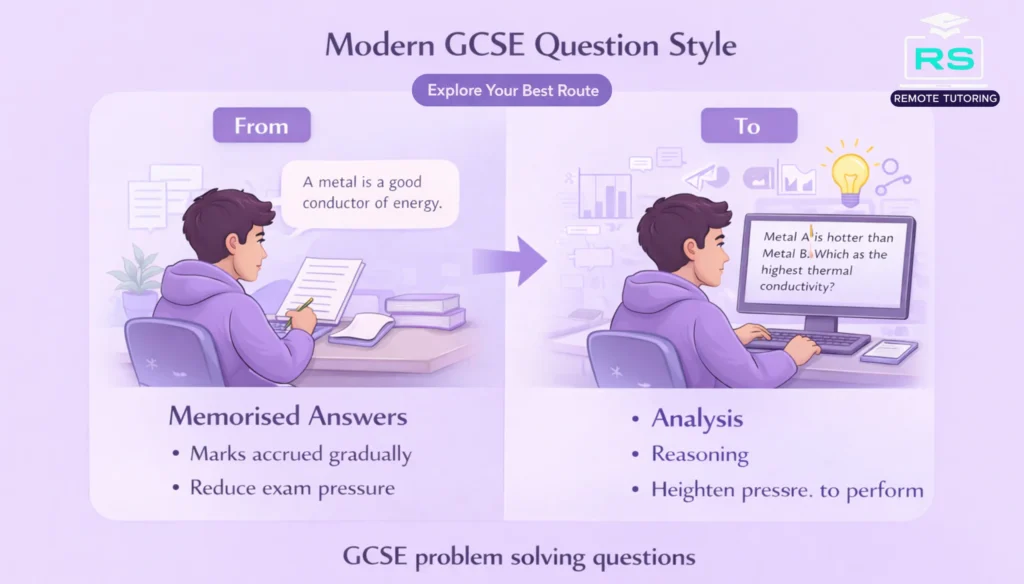
The answer to the persistent question, in short, is yes but in a different way than before. The syllabus content has not increased or decreased but the way of asking the question , the exam style has evolved demanding more hard work than the traditional exam system. Modern paper are
- Longer
- More word heavy
- Design to stretch the high achieving students.
Examiners undoubtedly includes
- Unfamiliar words
- Links between the different topics
- Questions mostly testing reasoning under pressure.
These are the reasons students mostly say, “I revised everything but the paper was still hard.”
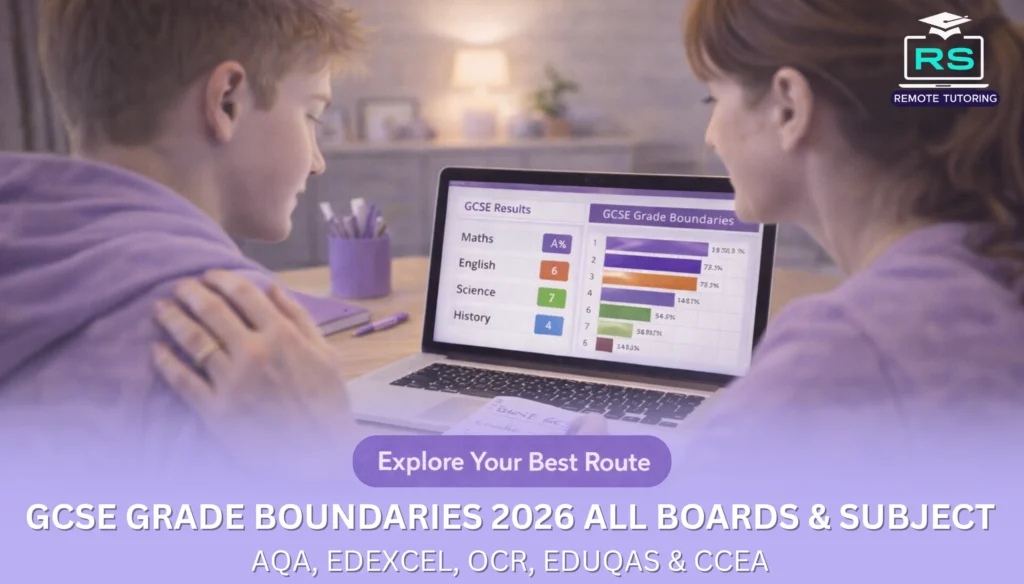
Grade Boundaries: Harder or Fairer?
One common belief is that grade boundaries are rising every year. And this shift leaves student confusion and anxiety mostly leading to the questions: are these grade boundaries more harder to achieve or these are the fair marking strategies.
But in reality:
- Grade boundaries change annually based on exam difficulty
- Exam boards aim for comparable outcomes, not constant grade inflation
However, what has significantly changed is how narrow the margins are. A few marks can now mean:
- A 6 instead of a 7
- Missing a Grade 9 by just 2–3 mark
Why Students Feel GCSEs Are Harder Today
Even if GCSEs are not “harder” in content, students experience them as harder because of several modern pressures:
Increased Academic Competition
One of the most common challenges that students face is the increased academic competition with the evolving nature of the exam.
- University pathways feel more competitive
- Sixth-form entry requirements are higher
- Students are more aware of grades than ever before
Mental Health and Exam Anxiety
With the increased competition students feel more overwhelmed and confused which leads to
- Timed exams amplify stress
- Fear of underperforming is common
- Many students struggle with confidence, not ability
Less Margin for Error
The evolving nature has undergone the shift with torelating less errors.
- Fewer chances to “bank” marks through coursework
- One bad exam day can impact final results significantly
Are GCSEs Harder for Certain Subjects?
Yes, some subjects have seen sharper increases in difficulty.Such as;
GCSE Maths
- Greater emphasis on problem-solving
- Less repetition, more reasoning
- Grade 8–9 questions are significantly more challenging
GCSE English Literature
- Heavier focus on interpretation
- Fewer formulaic responses rewarded
- Students must think independently under time pressure
GCSE Sciences
- Application-based questions dominate
- Strong maths skills are essential
- Extended response questions are common
What This Means for Students and Parents:
The key important thing to note is that GCSE success today depends less on “working harder” and more on “working smarter.”
Students need:
- Strong conceptual understanding
- Exam-specific strategies
- Regular feedback on technique
- Confidence under pressure
This is where many students struggle, not because they lack ability, but because they lack guided preparation.
How GCSE Tutoring Helps in a Harder Exam System
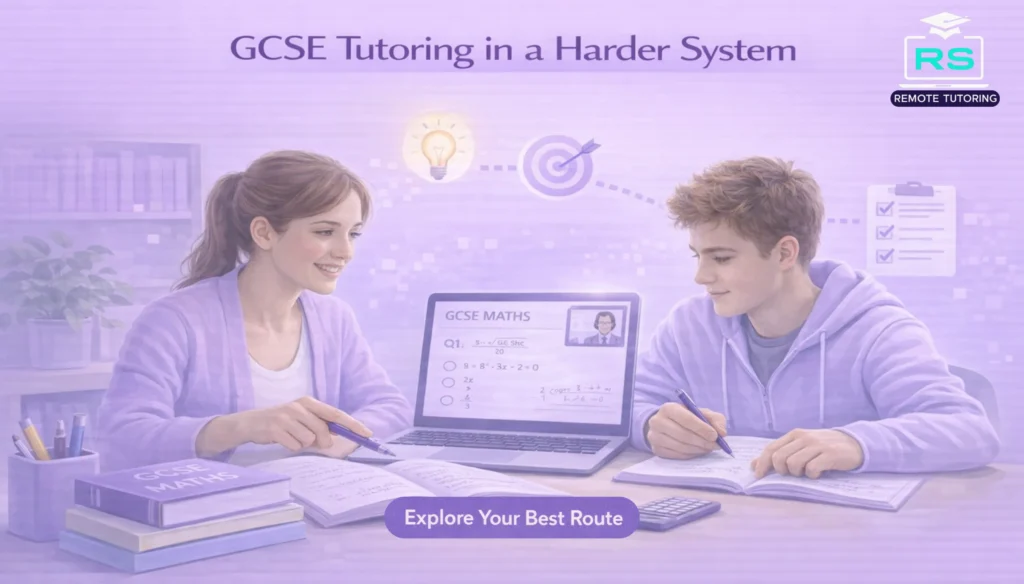
A high-quality GCSE tutor doesn’t just teach content. They help students:
- Understand examiner expectations
- Master exam technique
- Identify weak areas quickly
- Build confidence and consistency
- Turn understanding into marks
With GCSEs becoming more application-focused, personalised support can be the difference between an average grade and an exceptional one.
Are GCSEs Getting Harder? The Honest Response
Yes, GCSEs have become more demanding, but not impossible.
They now reward:
- Understanding over memorisation
- Strategy over repetition
- Guidance over guesswork
Students who adapt to this new style can still thrive,and often outperform previous generations.
Conclusion
If GCSEs feel harder, you’re not imagining it. But difficulty doesn’t mean unfairness. It means the system has changed and success requiresthe right approach.
With:
- Structured revision
- Expert guidance
- Targeted GCSE tutoring
students can not only cope, but excel. If your child is feeling overwhelmed, stuck, or underperforming despite effort, the issue may not be intelligence or motivation. It may be a simply strategy and strategy can be taught.

Raja specializes in Physics and Maths, with over 5 years of experience. He offers KS2, KS3, and GCSE Science and Maths lessons. He graduated from one of the top universities in the UK.