
Exam anxiety is the emotional state characterized by stress,fear that stresses the students at various phases of life, especially in connection with the assessments process, exam and tests. When it comes to the GCSE exam , as it is the major milestone in the student academic journey, being pissed off and overwhelmed are quite normal behaviours of the students. For many people it brings that phase where normally everyone is suffering, the fear of failing, the pressure of expectation and future goals, often leaves the students with anxiety, stress, and detached behaviour.
At a certain level , it is quite normal but excessive and intense stress and anxiety leads to memory loss, distraction, and affects the overall performance ratio of the students. Today’s students, teachers and even parents are seeking GCSE exam anxiety relief techniques to make it easier for handling the distracted behaviors at the same time, which are practical, evidence based and are easy to implement.
The writing explores the causes of the stress, the psychologically proven tools that help to reduce anxiety, practical tips and techniques and scientifically proven approaches that are helpful and supporting the approaches. One thing to note is that this writing offers reassurance and anxiety can be tackled easily with the right guidance and support.
Jump to Section
What is GCSE Exam Anxiety
Exam anxiety is not just nervousness, it’s a way more than that. Psychologically it is proven that it is a response that is perceived through exam and academic pressure. During GCSEs Students almost fear and are totally stressed and often experience
- Increasing Heart beat
- Shallowing breathe
- Sleep Disturbance
- Difficulty in concentrating
Research shows that students often feel high anxiety because they associate their future with GCSEs and often feel that the last career option to be attached with only passing this exam. Without actual and effective stress relief strategies, this anxiety can become a cornerstone of failure.
Causes of Exam Anxiety
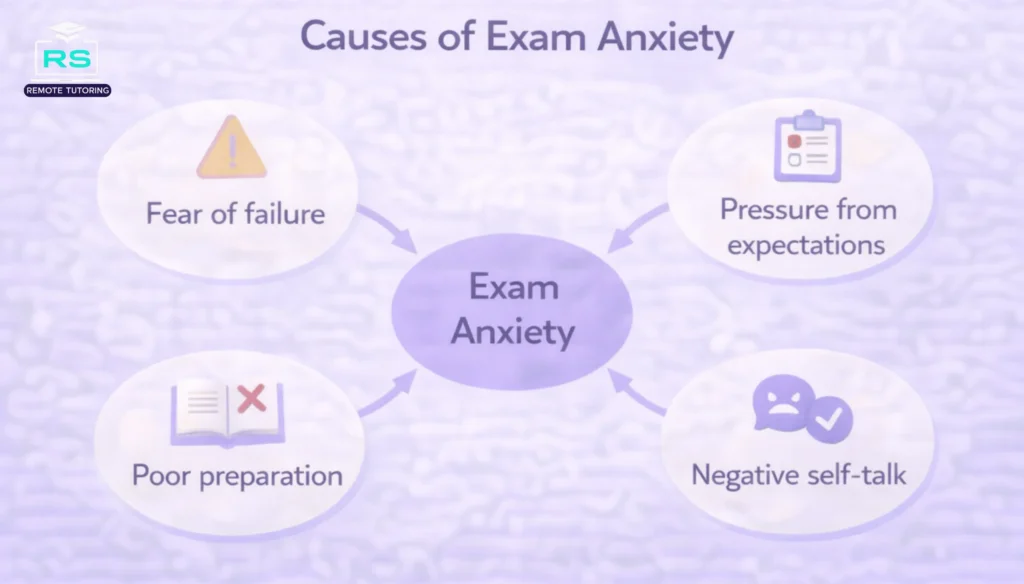
There are various causes of exam anxiety and these causes are multifaceted, involving a set of stimulants that uplifts the negative reaction towards the unexpected anticipated event both affecting mind and body.The sudden rush of adrenaline may cause rapid heart beat, sweating due to extreme pressure, fast breathing. Another factor causing exam anxiety is the extreme focus on negative thoughts. Suddenly questions arise in the mind of the students such as What if I fail? What if I could not get my desired grades?
These negative questions often break down the potential of the students and they feel more stressed and anxious. The more students focus on negative potential, the anxiety and fear multiplies which also reflect the exam results.
Symptoms of Exam Anxiety
There are various factors that indicate that students are suffering from exam anxiety. Negative thoughts dominating the student’s mind may cause insomnia and stress. Performance disturbance may also affect thinking and remembering problems. Deep down psychologically, symptoms of exam anxiety include stomach pain, excessive sweating, dryness of lips and throat, attention divergence, concentration problem in the educational settings.
Why Managing Exam Anxiety is Utmost Necessary:
Managing exam anxiety is utmost important. Often unchecked anxiety before exams leads to
- Lower performance in academics
- Decrease in self confidence
- Procrastinating and avoiding behaviour
- Long term negative attitude towards learning and academia.
In contrast, students learning to tackle their exam anxiety are often associated with better performance rate, better focus ratio and higher emotional resilience. Recognizing the emotional well being of the students is utmost important for schools and institutions.
Exam Anxiety Relief Tips: Evidence Based
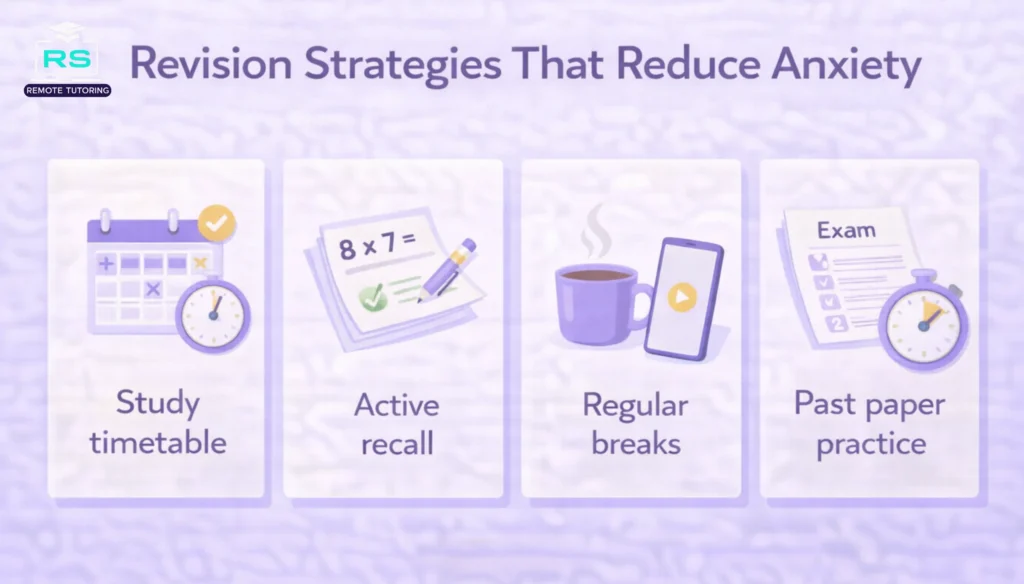
Following are the tips and techniques that need to be used before the approach of the final exam to build credibility and boost your learning.
Controlled Breathing and Exercising Regularly:
When anxiety hits, the body enters a ‘flight or fight’ situation. Breathing techniques help to stay calm in the nervous system.
- Effective Strategies include;
- Box Breathing ( inhaling4 seconds, hold your breath for 4 , exhale and then hold it for 4 seconds)
- Progressive Muscle relaxation
Research in psychology states that controlled and lower breathing helps to improve exam focus and makes one of the easiest accessible CSE exam anxiety relief techniques.
Meditation and Mindfullness:
Mindfulness trains students to present rather than manifesting the outcomes.Even short sessions can help to overcome anxiety alot. This practical tip has shown tremendous results such as;
- Improving attention span
- Reduce Emotional reactivity
- Enhancing the working memory
Different AI tools and apps help to make mindfulness practice the teenagers in a more practical and engaging way. Schools should implement mindfulness exams making a fair decrease in the exam related stress.
Cognitive Behaviour Therapy:
There are different theories and practices that might work but the most important is cognitive behaviour therapy that is widely recognised as the most effective GCSE exam anxiety relief technique. CBT helps students to navigate challenges and helps them overcome exam anxiety.For example;
- The student thinks, If I do not end up with top grades, my life is over.
- Through CBT student can the student can reframe the entire thought as
- Exams are extremely important but they do not define my entire future.
Studies from the expert journals show that reframing your thoughts can reduce the stress hormones and improve exam performance ratio.
Practical Revision Strategies:
Organized Revision Schedule:
Without Organization and discipline, studying is the failed attempt towards success. A realistic timetable offers clarity and fuels success rate. This can be done through
- Breaking subjects into manageable chunks
- Using active recall method
- Organizing regular breaks
A clear plan is utmost necessary to build harmony and discipline in the preparation and also works as one of the most successful practical strategies for reducing GCSE exam anxiety.
Rigorous Practice:
Fear of unknown multiplies the anxiety practising regularly and consistently may also work as stress reliever for GCSE exams. Evidence suggests that repeated exposure to exam conditions may work as better options in decreasing stress and uplifting confidence.
Online Learning Platforms:
Modern GCSE practices use online tools for further assistance and boosting confidence.There are different apps and tools with features such as;
- Progress tracking dashboards
- Quizzes for finer practice and Revision
- Lucrative and adaptive learning paths
These tools help students to feel supported rather than being overwhelmed, anxious and stressed out.
Mental Health Apps for Students Well being:
There is the growth of evidence supporting the use of mental health apps for reducing stress and anxiety, and are especially designed for young minds who are often entangled between fear and mental chaos.Many apps offers
- Guided relaxation Exercises
- Anxiety Journaling
- Exam day calming routine
When these are used alongside with revision strategies they become most effective.
Role of Parents in helping Reducing Exam Anxiety
After getting expert GCSE tutoring support and experts guidance, Parent’s support is utmost necessary for boosting Students morale and confidence. Parents can support in a way
Supporting thorough Communication:
Students often feel internalised pressure from adults, even not intentionally. Supportive Communication Includes
- Praising efforts rather than just results
- Avoiding Comparison
- Normalising mistakes as a part of learning
Students ultimately perform better when they are given emotional and mental support.
Creating a Calm Environment:
Simple and calm environments are almost necessary to build confidence and reduce anxiety.The calm environment include;
- Quiet and organised study spaces
- Clear routine study sessions
- Avoiding last minute cramming
Consistency is the key and calmness often makes the learning feel more secure.
Scientific Evidence supporting Exam Anxiety Relief Tips:
Extensive research shows that students who use extensive exam anxiety relief techniques
- Achieve higher grades
- Report better in emotional well being
- Developing long term resilience
A school based society intervention analysed significant improvements in students both mental and academic outcome, reinforcing the implementation of these strategies into their GCSE preparation.
Final Thoughts: Turning Anxiety into Confidence
GCSE exams are challenging, but they do not have to be emotionally overwhelming. With the right tools, techniques, and mindset, anxiety can be transformed from a barrier into a manageable source of motivation. By adopting evidence-based GCSE exam anxiety relief techniques, students can approach exams with confidence, clarity, and resilience.
Parents, teachers, and education providers all play a crucial role in creating an environment where mental well-being is prioritised alongside academic success. When students feel supported, prepared, and understood, they don’t just survive GCSEs they succeed.

Raja specializes in Physics and Maths, with over 5 years of experience. He offers KS2, KS3, and GCSE Science and Maths lessons. He graduated from one of the top universities in the UK.