
General Certificate of Secondary Education (GCSE) exams are a pivotal milestone for students in England, Wales and Northern Ireland. Achieving strong grades at age 16 opens doors to sixth form, A‑levels, apprenticeships and further education. It also builds confidence ahead of A‑levels or vocational courses. Yet not every student finds the two‑year GCSE programme easy.
By 2026, exam boards will continue to use the linear course model, with all assessments at the end of year 11 and core subjects such as English and maths requiring at least a standard pass (grade 4). Parents often worry about revision habits, missing coursework, lack of motivation or simply not understanding a particular topic. If you are looking to hire private tuition, it is important to know how to choose GCSE Tutor, and our guide explains everything you need to know to choose best GCSE tutor for 2026 for any subjects such as, maths, engish, science, etc.
Jump to Section
Why Consider a Tutor for GCSE Preparation and Exam
Before rushing to hire a tutor, first decide if your teenager truly needs extra support. Ask questions such as:
- Are they forecast to achieve the grades they need?
- Do they feel confident with key skills in subjects like maths, English and science?
- Are they comfortable with exam techniques and revision strategies?
- Do they know how to plan a revision timetable?
if the answer to all of these questions is “yes,” a tutor may not be essential, otherwise additional support could make a difference.
Common reasons to hire a GCSE tutor include:
- Bridging knowledge gaps: Students sometimes miss key topics due to illness, school closures or difficulty grasping a concept. A tutor can revisit weak areas and reinforce understanding.
- Building exam confidence: Many pupils can recall facts but struggle to apply knowledge under timed conditions. Tutors teach exam techniques, past‑paper practice, time management and question analysis.
- Structured revision: Revision requires planning and consistency. Tutors help students develop study schedules, highlight revision priorities and provide accountability.
- Reducing pressure: GCSE years can be stressful. A supportive tutor gives reassurance and reduces anxiety by breaking down content into manageable chunks.
- Learning gaps due to reform: With ongoing GCSE reforms (e.g., formula sheets for maths and science, digital exams under trial), students may need guidance to adjust to new assessment formats. The right tutor stays up‑to‑date with changes.
However, tutoring is not a magic wand. A tutor cannot force a teenager to study, motivation and engagement must come from within. Tutors also only see students for a limited time each week, so independent study between sessions is critical.
Steps To Choose Best GCSE Tutor for your Child in 2026 GCSE Exams
Our panel of tutors has carefully considered and identified 9 steps that every parent or child should follow to properly assess their exact requirements before hiring a tutor in the United Kingdom for exam preparation, ensuring the best results.
Step 1: Assess Your Child’s Needs
Every student is different, so start by understanding what your child needs.
Identify strengths and weaknesses
Compile recent test results, teacher comments and predicted grades.
Look for patterns: are there specific topics causing difficulty, or does your child struggle with exam technique?
Many students are motivated but lack confidence or struggle with exam questions or techniques.
Know the curriculum and exam boards
Different exam boards have slightly different specifications. For example, AQA, Edexcel and OCR all offer GCSE maths but structure their papers differently and use separate formula sheets in 2026. A good tutor should align lessons with your child’s exam board and syllabus. Be prepared to tell prospective tutors which board your child is taking, and ask them about their familiarity with that board.
Determine goals
Decide whether you are targeting a grade improvement, building general confidence, or preparing for higher tiers (e.g., aiming for grades 7–9). Also consider if the support is for specific subjects or multiple courses. Some students benefit from tutors in only one subject (such as maths) while others may need help across science, English and humanities. Having clear goals will help you evaluate potential tutors and measure progress.
Step 2: Understand Qualities of a Great Tutor

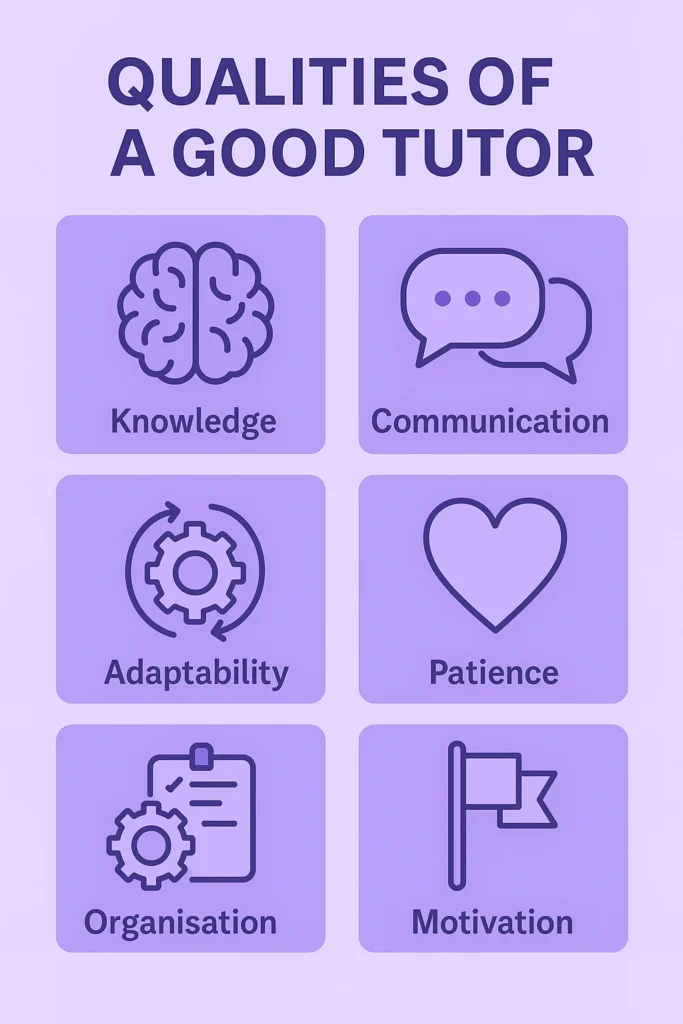
Several competitor guides highlight the qualities parents should look for in a tutor. Principal Tutors emphasises six key characteristics, which we expand below:
1. In‑depth subject knowledge
The tutor must deeply understand the current curriculum and the latest exam board specifications. They should know how topics are examined and be able to teach exam techniques and mark schemes. For example, GCSE maths tutors should be comfortable with the new formula sheets used in the exam from 2025–2027 and able to explain how to apply them in problem solving. Subject‑specific tutors for English, science, computer science or religious studies (subjects we specialise in at RS Remote Tutoring) should be able to help students interpret texts, design experiments or write analytical essays with exam‑style rigour.
2. Effective communication
Communication is more than speaking clearly; it involves listening, questioning, checking understanding and adjusting explanations to suit your child’s learning style. Good tutors also provide feedback to parents about progress. Tutors need to listen to concerns, identify difficult areas and coach exam techniques. Look for someone who can explain complex ideas in simple terms and is patient with repetition.
3. Patience and empathy
Learning can be frustrating when a topic doesn’t click. Great tutors create a non‑judgemental environment where students can ask questions without feeling stupid. They show empathy for exam anxiety and encourage a growth mindset (“you can learn this with practice”).
4. Adaptability and personalised teaching
No two students learn the same way. Tutors should adapt their approach to match your child’s learning style, energy level and progress. They might use visual aids, practice questions, video explanations or real‑world examples. They also need to adjust the pace of lessons depending on how quickly your child grasps concepts. Look for tutors who mention differentiated strategies rather than a rigid “one‑size‑fits‑all” plan.
5. Strong organisational skills
A tutor should plan each session, monitor progress and keep track of homework. They should know how to use digital tools, exam board resources and revision timetables to keep lessons structured. A disorganised tutor who arrives unprepared wastes valuable time and undermines your child’s confidence.
6. Motivation and inspiration
Finally, tutoring isn’t just about knowledge; it’s about inspiring students to believe in themselves. Principal Tutors emphasises that tutors should celebrate small wins, show enthusiasm for learning and make subjects relevant to students’ interests. A great tutor acts as a mentor, boosting self‑belief and encouraging independent study.
Step 3: Check Qualifications, Experience and Safety
Not all tutors are equal. Here are factors to investigate:
Teaching qualifications
While there is no legal requirement to hold a teaching qualification to be a private tutor in the UK, many parents prefer tutors with Qualified Teacher Status (QTS) or relevant degrees in their subject area. Head Start Learning notes that you should look for relevant qualifications (e.g., a maths tutor with a maths degree and QTS) and check that they are familiar with the major exam boards.
Experience and specialisation
Ask prospective tutors about their experience teaching GCSE students specifically. Tutors who teach multiple levels (Key Stage 3, GCSE and A‑level) may be more versatile. Check whether they have recent experience with 2023–25 GCSE curriculums and are aware of upcoming reforms (such as extended formula sheets for maths and science and digital exams). If your child has additional needs, ask if the tutor has experience with special educational needs (SEN) or differentiating for dyslexia or ADHD.
References and testimonials
Reading reviews and contacting previous clients helps you gauge a tutor’s effectiveness. Many tutoring agencies or platforms (including our own RS Remote Tutoring) feature testimonials from parents and students who have improved their grades or confidence. We encourages parents to review comments about tutors’ communication and ability to inspire students. Ask for references and speak to other parents if possible.
Safeguarding checks
Always confirm that tutors have an up‑to‑date DBS (Disclosure and Barring Service) certificate. This check confirms there are no criminal convictions that make them unsuitable to work with children. Head Start Learning emphasises safety checks and clarifying boundaries when selecting a private tutorheadstartlearningtuition.com.
Step 4: Consider Online vs In‑person Tutoring
With the rise of digital platforms, you have the choice between face‑to‑face and online tutoring. Both have benefits:
In‑person tuition
- Personal connection: Meeting a tutor in person can build rapport more quickly and allow for immediate feedback on body language and engagement.
- Minimal distractions: Some students focus better in a dedicated learning environment away from home.
- Hands‑on resources: In‑person tutors can use physical textbooks, whiteboards and manipulatives (e.g., shapes for geometry).
However, there are downsides. In‑person tutoring may require travel time, higher costs, limited tutor availability in your area and less flexibility with scheduling.
Online tuition
Benefits of online GCSE tutoring, which we offer to our students and resonate with our experience:
- Easy access to expert tutors regardless of location: Your child can work with a specialist teacher even if you live in a rural area or abroad.
- Encourages independent study: Online sessions often include digital resources and homework tasks, allowing students to practise between sessions.
- Comfortable environment at home: Many students relax and concentrate better in familiar surroundings. This can reduce anxiety and encourage open discussion.
- Recording and review: Sessions can be recorded (with consent) so students can replay explanations and revise at their own pace, one of the features of our RS Remote Tutoring service.
- Time and cost efficiency: Online lessons remove travel time and often cost less than in‑person tutoring because tutors can schedule more sessions per day.
The right choice depends on your child’s learning style, available tutors and budget. Many families choose online for convenience and access to top tutors; others prefer face‑to‑face for personal connection. Some combine both: online lessons during term time and face‑to‑face intensives in the lead‑up to exams.
Step 5: Evaluate Teaching Approach and Communication
Initial assessment and personalised plan
A great tutor will start by assessing your child’s current ability. They may use diagnostic tests, ask about strengths and weaknesses, and request past papers. Based on this, they create a personalised learning plan tailored to exam board content and your child’s goals. First Tutors encourages parents to ask tutors how they identify a student’s strengths and weaknesses and how they develop personalized plans.
Resources and revision strategies
Ask tutors what resources they use, past papers, exam board textbooks, revision guides, worksheets, online platforms, flashcards. Good tutors incorporate active recall (flashcards, self‑testing) and spaced repetition to embed knowledge. Tutors should help students develop revision skills and add structure to their revision.
Homework and practice
Effective tutoring does not stop at the end of the session. Students need independent practice to solidify learning. First Tutors emphasises the importance of practising outside lessons and encourages parents to ask tutors about homework expectations. Clarify how much homework will be set, what format (past papers, short quizzes, reading) and how the tutor will review it.
Progress tracking and feedback
Regular feedback helps you see whether tutoring is effective. The tutor should provide updates on your child’s progress, highlight improvements, identify remaining weak areas and adjust the plan accordingly. They may use mock exams, mini tests or lesson observations to monitor progress. Communication with parents (via email, progress reports or calls) is crucial.
Step 6: Consider Logistics and Cost
Scheduling and availability
Tutors should be able to work around your family’s commitments: school hours, extracurricular activities and holidays. Discuss your preferred days and times. Keep in mind that by 2026, students will sit GCSE exams from early May to late June (typically starting around the first week of May and finishing in the last week of June), so plan sessions well in advance.
Duration and frequency
Most students benefit from one or two one‑hour sessions per week. However, this can vary, some need more intensive support near exam time; others may only need occasional booster sessions. Balance tuition with independent study; too many sessions may overwhelm students and leave little time for revision.
Fees and budgeting
Private tutoring costs vary depending on location, tutor experience and subject Our tuition cost is £30.00/lesson and £120.00/monthly.
Hidden costs and contract terms
Clarify whether you need to pay for textbooks, past papers or digital resources. Some platforms charge a one‑off fee for connecting you to a tutor and then no commission thereafter. Check cancellation policies in case your child is ill or needs to reschedule.
Step 7: Spot Red Flags
In your search, be wary of tutors who:
- Lack qualifications or testimonials: Head Start Learning cautions against tutors with no qualifications, DBS check or customer reviews.
- Overpromise results: No tutor can guarantee specific grades. Beware of unrealistic claims (“I guarantee your child will jump two grades in a month”). Improvement depends on the student’s effort and starting point.
- Poor communication: Tutors who don’t respond to messages promptly or who cancel lessons frequently may be unreliable. Similarly, those who do all the talking and fail to listen to your child’s concerns may not be effective teachers.
- Rigid teaching style: A one‑size‑fits‑all approach rarely works. Good tutors adapt methods and pace.
- Focus only on rote learning: GCSE exams test reasoning and application, not memorisation alone. Look for tutors who incorporate problem‑solving, discussion and exam‑style practice, not just content coverage.
Step 8: Conduct Interviews and Trial Sessions
Once you have a shortlist of potential tutors, arrange interviews or trial sessions. During these sessions:
- Ask about their background and motivations: Why do they tutor? What do they enjoy about the subject? Do they keep up with curriculum changes and research? First Tutors suggests that having conversations about qualifications, subject specialism and teaching approach helps you decide.
- Describe your child’s situation: Share current grades, subjects, challenges and goals. Observe how the tutor listens and responds.
- Request a short sample lesson: This could be a 20‑minute mini‑lesson on a topic your child finds challenging. Pay attention to whether the tutor explains concepts clearly, checks understanding and engages your child.
- Discuss the learning plan: Ask how they will assess your child, set goals and measure progress. A good tutor should articulate a clear plan and be open to adjusting it as needed.
- Clarify practicalities: Availability, fees, cancellation policy, online platform used (if applicable) and homework expectations.
Trial sessions help you see whether the tutor connects with your child. Chemistry and trust are just as important as credentials.
Step 9: Reviewing Progress and Adjusting
After a few sessions, reflect on how things are going. Signs of effective tuition include:
- Improved confidence: Your child feels more positive about the subject and less anxious about assessments.
- Better grades: Coursework marks and mock exam results improve. While progress may be slow at first, you should see incremental improvements over weeks or months.
- Enhanced revision skills: Your child develops independent study habits, uses flashcards, practises past papers and organises their time better.
- Communication: The tutor provides regular feedback and responds to questions promptly.
If you are unhappy with progress, discuss this with the tutor first. A good tutor will adapt their approach or suggest additional resources. If there is still no improvement after reasonable time, it may be worth exploring a different tutor.
Benefits and Limitations of GCSE Tutoring
Benefits
- Improved revision and study skills: Tutors teach students how to plan and structure revision effectively.
- Reduced pressure and anxiety: A structured approach reduces stress and provides reassurance.
- Better results and closing gaps: Tutors help identify subtle errors and teach exam techniques that can lead to higher marks.
- Support with challenging topics: Students can revisit difficult topics until they fully understand them.
- Individual attention: In large classes, teachers can’t tailor lessons to each student. Tutoring offers personalised support.
- Flexibility and convenience (online): Online tutoring allows for learning at home, easier scheduling and access to experts.
Limitations
- Motivation still matters: A tutor cannot force students to study; commitment must come from the student.
- Limited contact time: With only one or two hours per week, students need to practise independently.
- Cost: Tutoring can be expensive and may not be accessible for all families.
- Quality varies: Not all tutors have the same expertise, teaching skills or reliability. That’s why careful selection is essential.
Choose RS Remote Tutoring for GCSE Success
At RS Remote Tutoring, we specialise in connecting students with qualified, experienced tutors for a range of GCSE subjects. Our tutors are subject experts in English, Maths, Science, Computer Science and Religious Studies (among others). Each tutor is fully vetted, DBS checked and trained to adapt lessons to the student’s exam board. Sessions are conducted online via video call, with interactive whiteboards, downloadable resources and digital homework assignments. Parents receive regular feedback and progress reports. Our unique features include:
- One‑to‑one personalised tuition tailored to your child’s needs and goals.
- Flexible scheduling to fit around school and extracurricular commitments.
- Recorded lessons so your child can revisit topics at any time (subject to consent).
- Homework and feedback to reinforce learning between sessions.
- Subject‑specific expertise for popular GCSE options such as English, maths, science, computer science and religious studies.
Success stories from our students include pupils achieving two‑grade improvements in core subjects and boosting their confidence. We are proud of our positive reviews on our Google and Bark profile. If you’re ready to help your child succeed in the 2026 GCSE exams, contact us to arrange a free consultation.
Frequently Asked Questions (FAQs)
When should I hire a GCSE tutor?
Ideally, start looking for a tutor early in year 10 or at the start of year 11. This gives enough time to build confidence and fill knowledge gaps. Last‑minute tutoring in spring of year 11 can still help but is less effective than a consistent programme over months.
How many hours of tutoring does my child need?
Most students benefit from 1–2 hours per subject per week. The exact amount depends on the child’s starting point, goals and how much independent study they are willing to do. For example, a student aiming for top grades may schedule two one‑hour sessions per week for maths and one session for science, plus self‑study.
Should I choose group tutoring or one‑to‑one?
Group sessions can be more affordable and allow students to collaborate, but they offer less personalised attention. One‑to‑one tutoring is tailored to your child’s pace and focuses on their specific weaknesses. Many families prefer a combination: group revision classes for general content and individual tutoring for tricky topics.
Can a tutor help with study skills and confidence?
Yes. Beyond subject knowledge, tutors teach revision strategies, exam techniques and time management. A tutors helps by support study skills and add structure. They also provide encouragement, helping students overcome exam anxiety.
Do I still need a tutor if my child is doing okay?
If your child is meeting target grades and feels confident, you may not need regular tutoring. However, some families use occasional sessions for exam preparation or to maintain momentum. Consider a “booster” course during school holidays or after mock exams.
Conclusion
Choosing the right GCSE tutor is an investment in your child’s future. Start by assessing needs, research what makes a great tutor, and evaluate qualifications, experience, and teaching style. Decide between online and in‑person lessons, check DBS certificates, and discuss cost and scheduling. Look for tutors with deep subject knowledge, strong communication skills, patience, adaptability, organisation and an inspirational presence. Avoid red flags like lack of qualifications or unrealistic promises. Conduct interviews and trial lessons to ensure a good fit, monitor progress over time and adjust as necessary.
With the right tutor, students can develop revision skills, deepen understanding, gain confidence and achieve the grades they need for sixth form or further education. If you’re looking for expert tutors in subjects like English, maths, science, computer science or religious studies, RS Remote Tutoring can help. Contact us for a free consultation and see how our tailored online tutoring can help your child succeed in the 2026 GCSE exams.

Raja specializes in Physics and Maths, with over 5 years of experience. He offers KS2, KS3, and GCSE Science and Maths lessons. He graduated from one of the top universities in the UK.

1 Comment
[…] or highlighting textbooks feels productive, but it rarely leads to deep learning. Research and tutor experience suggest that active practice – answering questions, teaching concepts to someone else, or writing […]